

Portable air fryer models are changing the way people cook on the go, whether you’re living in a dorm, traveling in an RV, or tight on space at home. But if you’re hoping for an easy win on convenience and health, it’s important to look past the marketing and see the real-world pros, cons, and tips that come with these small appliances.
Key Takeaways
- Portable air fryers offer real convenience but come with notable limitations in handling, build, and performance.
- Not all models are equally suited for travel, dorms, or RV living—portability and safety are often overstated in ads.
- Understanding what to look for (and what to avoid) saves money, time, and future frustration.
- The Core Concept: What Makes a Portable Air Fryer Different?
- Step-by-Step Guide: Getting the Most from a Portable Air Fryer
- Advanced Analysis & Common Pitfalls
- Conclusion
- FAQ
The Core Concept: What Makes a Portable Air Fryer Different?
Portable air fryers are compact, countertop convection ovens designed to cook with less oil and more speed in tight places—think dorms, travel trailers, and tiny urban kitchens. Unlike regular air fryers, their size and “grab-and-go” setup should, in theory, make them perfect solutions for people on the move or short on square footage.
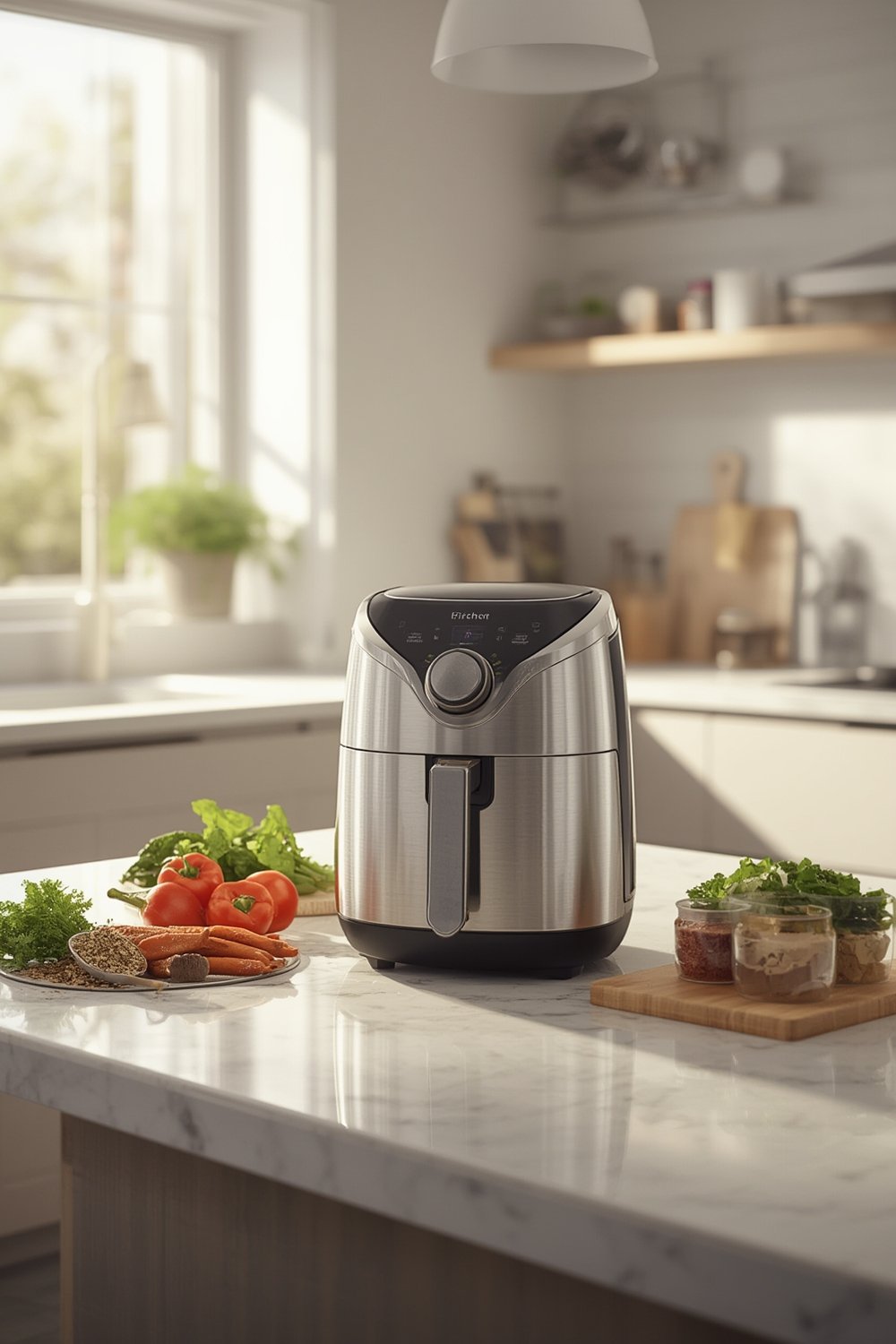
What sets them apart? For starters, portable air fryers are generally lighter and smaller, commonly ranging from 3.5 to 4 quarts in capacity. They often feature removable glass bowls, compact control units, and fewer preset functions compared to full-size models. Many promote “plug and play” simplicity, which appeals to students, travelers, and anyone with limited prep space.
However, while brands like the Ninja Crispi market themselves as ideal for mobile use, critical reviews highlight issues—such as tangled cords and hot surfaces—that can challenge true portability and safe operation in small, crowded spaces.
If you’re exploring other options for multifunctional cooking in tight kitchens, you might compare these to new products like the IKEA microwave air fryer combo, which combines air fry and microwave functions in a compact design.
Step-by-Step Guide: Getting the Most from a Portable Air Fryer
Using a portable air fryer doesn’t have to be difficult, but there are important things to consider if you want consistently good results—especially in a dorm or while traveling.
- Unpack and Assemble Carefully
Remove all packaging materials and plastics. Place the unit (like the Ninja Crispi) on a clear, level area and check that the power cord can be safely routed out of the way to avoid trip hazards, which users often report as a pain point. Check that silicone bumpers and crisper trays are properly fitted, as loose parts lead to malfunction. - Capacity Check
Avoid overfilling the bowl. Even a 4-quart capacity can be misleading—it’s best for one or two people per batch. For studio apartments or RVs, this works well for small meals but not for group entertaining. - Select Preset or Manual Mode
Most portable air fryers, including the Ninja Crispi, offer limited preset modes (and sometimes imprecise manual temperature controls in the 380°F to 450°F range). Start with the lowest time and temperature, then incrementally increase in future use, since initial batches will require trial and error for the perfect finish. - Cooking in Small or Mobile Spaces
Watch airflow. Place the air fryer near a window or vent if you’re in an RV or a room without exhaust fans. The glass bowl gets very hot and can amplify heat and humidity indoors; always use gloves or heatproof mats for handling. - Cleaning and Storage
Let all parts cool completely—the glass stays hot—and only then wash by hand (if not dishwasher safe) using non-abrasive sponges. Accumulated non-stick oil buildup is a recurring user complaint, so deep clean crisper plates and edges after every few uses. Stash the cord carefully, as most users report wind-up or wraparound systems are lacking. Consider adding your own velcro straps for better cord management. - Storage Solutions for Small Living
Keep the unit stowed dry and away from stacked or heavy items, as glass and silicone are prone to breakage and deformation if crushed by cookware during travel. BPA-free storage lids for the vessel allow you to store leftovers directly in the fridge—a small, but appreciated, feature that many buyers overlook (source). - Experiment and Adjust Presets
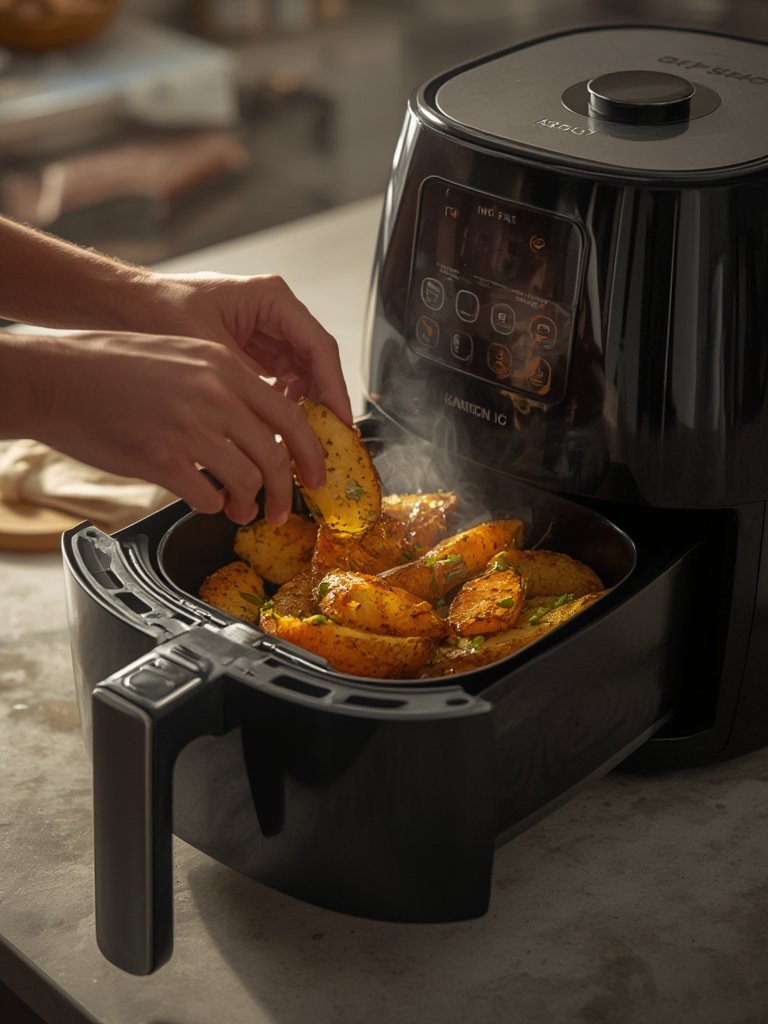
Portables often ship with cookbook recipes that don’t match default cooking programs. Plan to monitor early food batches for doneness. Some foods, like Brussels sprouts, require stirring—standard air fryer shake reminders don’t always apply to bowl-based designs.
If you want smarter, more connected cooking experiences, compare these manual models with premium innovations like the AI cooking assistant induction range that guides you step by step through recipes with automation and reminders.
Advanced Analysis & Common Pitfalls
Even the most popular portable air fryers come with practical downsides. Here’s what genuine user reviews and expert testing reveal:
- Extremely Hot Surfaces: Glass bowls can reach high temperatures during cooking, with major burn risk in small kitchens, RVs, or when handled by children (source).
- Cord and Portability: Despite the “portable” label, very few models have cordless power—plug placement and messy cord storage become daily annoyances (source).
- Inconsistent Cooking: Slower cooking times and uneven results compared to traditional large air fryers frustrate many buyers.
- Cleaning Hassles: Crisper trays and non-stick surfaces tend to build up sticky residue; manual scrubbing is often required.
- Build Quality Issues: Complaints include parts melting, error codes, or silicone bumpers falling apart after short-term use—raising questions on durability and support.
- Imprecise Controls: Manual dials or preset buttons are often vague; getting repeatable results takes trial and error. Preset recipes in manuals rarely align with actual performance, as noted in user reviews.
| Model | Size/Capacity | Watts | Temperature Range | Weight |
|---|---|---|---|---|
| Ninja Crispi | 4 Qt glass bowls see details |
Not specified | 380-450°F (preset modes) | Not specified |
| Fritaire (comparative) | Large glass bowl | Less powerful than Crispi | Not specified | Not specified |
Other overlooked pitfalls:
- Not Always RV-Ready: Many need a grounded power outlet, exclude 12V compatibility, and may trip breakers on older circuits.
- Warranty Support: Even premium brands sometimes only cover manufacturing flaws. Some, like the Ninja, will replace a failed unit in days, but recurring part failures suggest weak durability (source).
- Health and Safety Certifications: Specs are rarely published, but shoppers should seek appliances labeled with recognized electrical safety marks (UL, ETL, CE) and avoid any model with reported fire or melting incidents. For a breakdown of safe coating materials, see this non toxic air fryer guide.
Want to compare small-footprint alternatives? Check out vertical air fryer reviews like the double stack air fryer which solves some surface-area pain points with stacked cooking zones.
Conclusion
Portable air fryer models shine for quick, healthier meals in tight quarters, but the marketing rarely matches the limitations. Before buying, weigh cord storage, glass temperature risks, and build quality as much as convenience. With a realistic approach, you can make a portable air fryer work for your space—just be prepared for extra cleaning and occasional learning curves.
Ready to try out a portable air fryer? Research your options and look for models with solid warranties—and if space is at a premium, explore combo cookers and compact microwave air fry alternatives before you commit.
FAQ
Are portable air fryers safe for dorm or travel use?
Most are safe if you follow setup instructions and monitor for overheating. Look for electrical safety certifications like UL, ETL, or CE. Always keep the appliance on a stable, heatproof surface and never leave it unattended. If possible, choose models with cool-touch exteriors, though many glass bowl designs still pose a burn risk.
How much food can you actually cook in a portable air fryer?
Even units labeled as 4 quarts are best for one or two servings per batch. For families or group meals, expect to cook in several rounds. Filling beyond the max line leads to uneven results and longer cooking times.
What kind of foods cook best in portable air fryers?
Portable models excel at reheating leftovers, single servings of fries or chicken, and small batches of vegetables. Foods needing stirring or shaking can be tricky in glass bowl designs. If you want more variety, consider air fryer-microwave combos reviewed in guides on all-in-one appliances.
Is there a big difference in energy consumption?
Portable air fryers typically draw less power than full-sized models, thanks to smaller heating elements and lower average wattage. While they’re generally efficient, exact figures are rarely published. Expect less draw than a traditional oven, but frequent use may still impact your dorm or RV’s power limits.
What’s the best way to avoid build-up and keep a portable air fryer clean?
Let the bowl and crisper tray cool fully before cleaning with a soft sponge. Avoid abrasive scrubbers to prevent damaging non-stick or silicone parts. Deep clean the crisper plate and wipe heating elements every few uses to minimize burnt-on oil or food debris.