

Pickle flavored foods have exploded in popularity, blending tangy excitement with snack culture and even full meals. Whether you love bold tastes or just want to understand the craze, learning about pickle flavor trends can help you navigate ingredient choices, new products, and potential pitfalls.
Key Takeaways
- Pickle flavored foods have surged by over 300% in search interest in 2024, becoming a leading culinary trend worldwide.
- The trend spans snacks, restaurant offerings, and DIY pickle-seasoned creations, but health, cost, and ingredient concerns remain under-discussed.
- Mastering pickle flavor at home requires careful ingredient choices, and avoiding common pitfalls like texture imbalance and sodium overload.
- The Core Concept: What Are Pickle Flavored Foods and Why Now?
- Step-by-Step Guide: How to Create or Choose Pickle Flavored Foods
- Advanced Analysis & Common Pitfalls
- Conclusion
- Frequently Asked Questions
The Core Concept: What Are Pickle Flavored Foods and Why Now?
Pickle flavored foods are snacks, condiments, and main dishes that use the tangy, salty, and sometimes garlicky profile of pickles. This usually means foods are infused with seasoning blends that contain dill, vinegar powder, and spices reminiscent of brined cucumbers. The past two years have seen explosive growth, with Google searches for pickle flavors up over 300% in 2024 and social content about pickle flavor tripling across platforms [source]. Demand is spread across homemade recipes, packaged snacks like dill pickle chips, quick-serve restaurant novelties (as with Jimmy John’s “Picklewich” or Burger King’s Pickle Fries), and grocery store innovations.
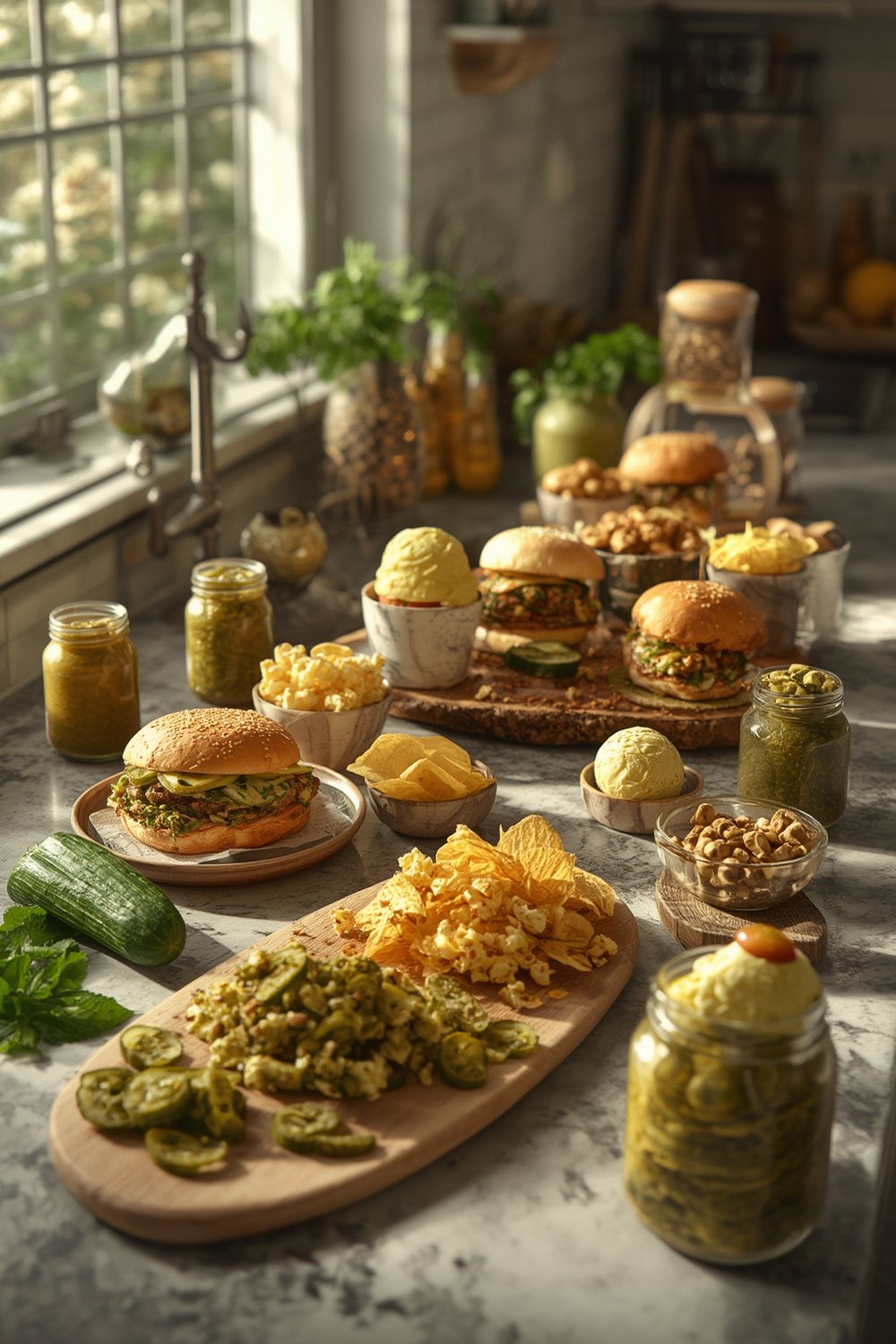
What’s driving the obsession? First, market demand for pickles is huge—over $14.3 billion globally in 2024 and still growing. Second, 73% of Americans report loving the taste of pickles [source]. This snackable, craveable flavor profile appeals to both Millennials searching for new taste experiences and Boomers wanting a nostalgic tang. Even food tech is getting in on the action, as kitchen innovations make it easier than ever to experiment with new flavor combinations at home.
Still, pickle flavoring isn’t new. Traditional pickles — especially fermented pickles — have long been valued for their tang, crunch, and probiotic benefits. What’s new is the blending of that taste into everything from crackers and popcorn to full sandwiches, pizzas, and even desserts. As more households adopt smart kitchens and inventory-tracking appliances like the GE Profile Smart Fridge Barcode Scanner, trying the latest food trends (like pickle ranch sauce or air-fried dill chips) becomes as easy as scanning a product into your grocery list app.
Step-by-Step Guide: How to Create or Choose Pickle Flavored Foods
Deciding whether to make your own pickle flavored foods or buy pre-made snacks depends on your taste, time, cost considerations, and dietary needs. Here’s how to start exploring — or dominating — this trend.
1. Decide If You Want DIY or Store-Bought
Homemade: Offers control over flavors, sodium, and sourcing. You can tweak to taste, create healthier versions, and often save money.
Store-bought: Wins on convenience and variety — from pickled potato chips to frozen pickle fries, options have never been broader. The downside? Often more sodium, preservatives, or odd aftertastes if the seasoning blend is off.
2. Gather the Essentials for DIY Pickle Flavors
- Dill (fresh or dried): Number one for classic pickle notes
- Vinegar powder or citric acid: Delivers the signature tang
- Garlic powder, onion powder, mustard seed, celery seed: Rounds out the classic brine profile
- Salt or MSG: Enhances flavor, just watch the sodium load
- Base foods: Chips, popcorn, nuts, sauces, ranch dip, even pizza dough
3. Mix and Apply
For savory snacks, blend dried spices well and toss with your food base while it’s still slightly warm or mist lightly with oil or brine for even adhesion. For wet applications (like dips or aioli), start slow and taste as you go, as flavors intensify over time.
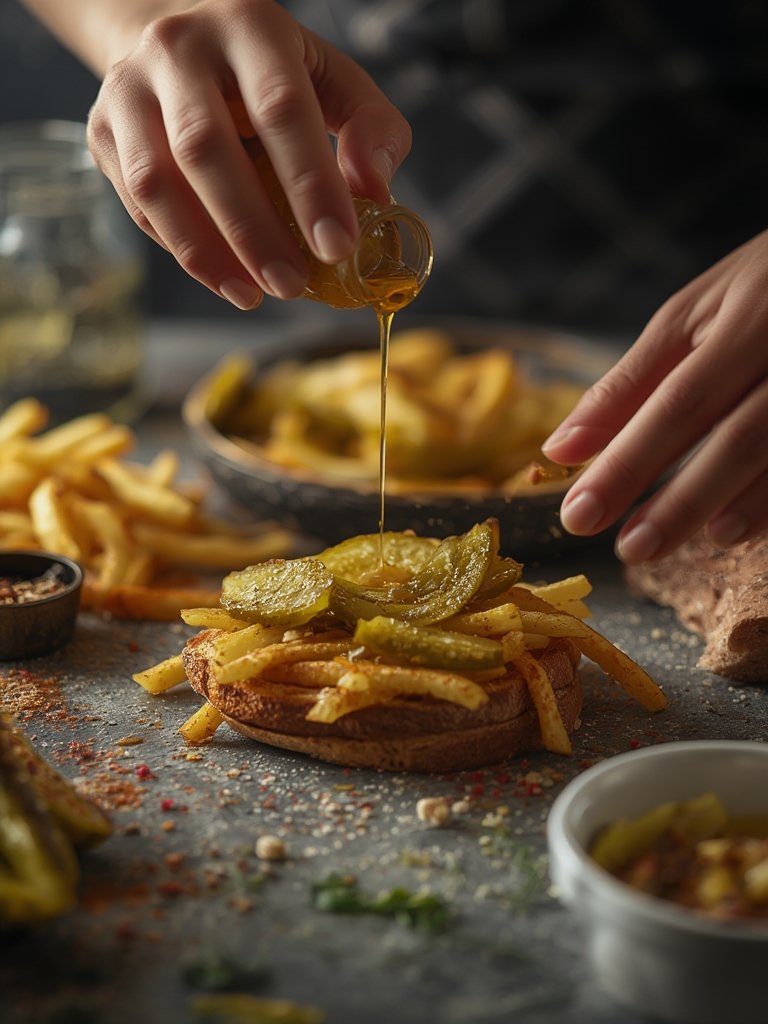
4. Sourcing or Shopping Smart
When buying, check ingredient lists — many packaged pickle snacks use artificial flavoring or extra sodium. Look for real herbs and spices and compare costs. For health-conscious eating, remember that most commercial “pickle” snacks lack probiotic benefits found in true fermented pickles (as cited in recent market research).
Want more help with kitchen workflow or recipe management? Consider integrating tools like an AI cooking assistant induction range or using a smart fridge grocery list app to keep your favorite pickle flavored foods on rotation.
Advanced Analysis & Common Pitfalls
Even with strong market growth and endless creativity, making or choosing pickle flavored foods has its challenges. Here’s what to watch out for:
- Sodium Overload: Both homemade and store-bought versions can quickly exceed recommended sodium intake, especially when combining brine, salt, and seasoning packets. Carefully measure, and choose lower-sodium base ingredients when possible.
- Mismatched Texture: Applying wet pickle brine to crispy snacks or chips can make them soggy within minutes. Use powder or powder-and-mist techniques instead.
- Flavor Imbalance: Overdoing vinegar or acid can overwhelm, making a snack taste harsh or a dip unpleasant. Tweak by adding a pinch of sugar or neutral dairy like Greek yogurt or sour cream.
- No Probiotic Benefit in Pickle Flavored Snacks: As highlighted by market data, most “pickle” snacks don’t contain live cultures, unlike real fermented pickles.
Homemade variations give you more control but can cost more depending on your ingredients. Store-bought snacks win for novelty and time savings, but you may get artificial aftertastes, excess preservatives, and higher prices.
| Aspect | Homemade Pickle Flavored | Store-bought Pickle Flavored |
|---|---|---|
| Flavor Control | High – tweakable | Low – fixed by recipe |
| Sodium Content | Variable, can reduce | Usually high |
| Packed with Preservatives? | No – you choose | Often yes |
| Probiotic Value | Possible (if fermented or raw pickles used) | Almost always none |
| Ingredient Sourcing | May require specialty items (citric acid, herb powders) | Ready to eat |
| Average Cost | Potentially less long-term, but DIY blends can cost more upfront | Higher per serving, varies by brand |
| Environmental Impact | Less packaging | Often single-use and plastic |
| Novelty Factor | High (experimentation) | High (unique brands and restaurant specials) |
For those combining the pickle flavor trend with other leading kitchen hacks — like using an air fryer or a double stack air fryer to make homemade pickle chips — the crossover potential is impressive, but careful prep is crucial to avoid sogginess or flavor failures.
Conclusion
Pickle flavored foods are more than just a snack trend — they’re a fast-growing force shaping food innovations, home kitchens, and even tech-driven meal planning. If you want to ride the trend, learning the science behind seasoning and mastering ingredient balance is key. But don’t ignore potential downsides like sodium and lack of probiotics in most commercial products. Experiment, taste thoughtfully, and let your curiosity drive new creations. Ready to experiment with the latest pickle flavored foods? Try a homemade batch, compare it to your favorite store snack, and share your results or questions below!
Frequently Asked Questions
Are pickle flavored foods healthy?
It depends. Classic fermented pickles offer probiotics and low calories, but many commercial pickle flavored snacks are high in sodium and lack live cultures. Always check the nutrition label if health is a priority.
How can I make homemade pickle seasoning?
Mix dried dill, garlic powder, onion powder, and citric acid or vinegar powder. Adjust salt to taste. Use this blend on chips, popcorn, or dips for a DIY tangy twist.
Do pickle flavored snacks contain real pickles?
Most commercially produced pickle flavored snacks use flavorings and spices — not actual pickles. Some dips or specialty products may use real pickle juice or dehydrated pickle, but always check the ingredient list.
Which foods work best with pickle flavors?
Popular options include chips, popcorn, pretzels, chicken, nuts, ranch dip, and even pizza. Some restaurants have tried pickle flavored fries, wraps, and sandwiches with great success.
How do I avoid soggy textures with homemade pickle snacks?
Use powder or mist technique rather than dousing with liquid brine. For chips and popcorn, toss with dried seasoning while still a little warm — don’t add too much moisture.
[…] or sugar mask tanginess. For savory recipes, roasted garlic, fresh herbs, or even pickle seasoning (pickle-flavored foods) transform the […]