

Air chilled chicken stands out among poultry choices due to its processing method—and this difference impacts flavor, texture, food safety, and value in ways that most shoppers never realize. Should you pay a premium for air chilled? Here’s a practical, science-backed look at why it matters (and what to watch out for).
Key Takeaways
- Air chilled chicken typically has better shelf-life, odor, and browning potential—but blind taste panels did not find strong flavor differences versus water chilled poultry.
- Consumers pay for pure chicken (no water absorbed), but availability and higher prices are common hurdles; detailed negative reviews are hard to find.
- Environmental impact is lower thanks to extreme water savings, though air chilling may consume more electricity during processing.
- What Is Air Chilled Chicken? (The Core Concept)
- Step-by-Step Guide: How to Source, Cook, and Maximize Air Chilled Chicken
- Advanced Analysis & Common Pitfalls
- Conclusion
- FAQ: Air Chilled Chicken
What Is Air Chilled Chicken? (The Core Concept)
Air chilled chicken is processed using cold, circulated air in a series of chambers rather than being soaked in cold chlorinated water. Each chicken moves on a track or tray—not floating in communal water—which avoids water absorption. This approach prevents the meat from picking up extra water weight, reduces cross-contamination, and is prized for yielding poultry that browns faster and absorbs seasonings more effectively.

Why does this matter? Scientific studies from leading US labs show air chilled chicken typically has lower psychrotrophic bacterial counts, longer shelf-life before spoilage, and delayed odor development compared to water chilled poultry. There’s also no risk of “paying for water”: water chilled birds can gain up to 12 percent water weight during the chilling process—air chilled birds retain only what’s naturally present.
For home cooks, this means your seasoning, marinade, or breading adheres better, and you’ll get genuinely crispy skin without excessive effort. Environmental advocates also note massive water savings—processing plants may use nearly 90 percent less water compared to traditional water chilling systems.
Despite these advantages, air chilled chicken remains a specialty item in many US markets, often commanding a premium price and limited shelf space compared to conventional water chilled products.
Step-by-Step Guide: How to Source, Cook, and Maximize Air Chilled Chicken
Ready to try air chilled chicken and reap the benefits? Here’s exactly how to get the best results—from choosing a supplier to cooking for ultimate crispiness.
-
Find a True Air Chilled Supplier
- Look for specialty grocers, online retailers like Heartstone Farm, or premium brands such as Bell & Evans. Some direct-to-consumer farms ship nationwide; check their certifications for authentic air chilling.
- At the supermarket, be wary of greenwashing—labels should clearly state “100% air chilled.”
- Local butchers sometimes offer air chilled, especially in regions focused on food sustainability.
-
Compare Prices—and What You Actually Get
- While there’s no up-to-the-minute US price index, expect air chilled chicken to cost 20-30 percent more per pound. Remember: with water chilled chicken, you’re often paying for added water weight that cooks off (detailed source).
- Do the math on portion sizes—the net edible chicken per dollar may actually be closer than sticker price suggests.
-
Maximize Crispy Skin and Browning
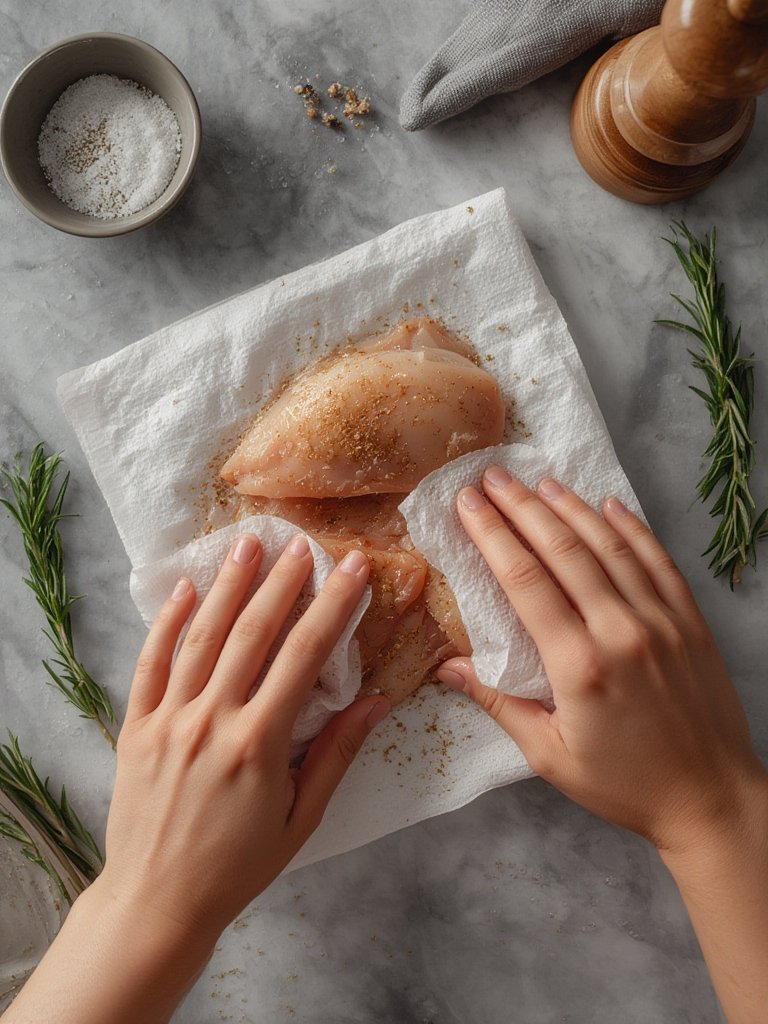
- Pat the chicken dry thoroughly before seasoning.
- Let the bird (or pieces) air chill uncovered in the fridge for 4-8 hours. This dehydrates the outer skin layer, intensifying crispiness.
- Roast or air fry on a rack for superior air circulation. For extra crunch, try convection oven or a high-quality air fryer. Explore more in our non toxic air fryer guide.
- Season boldly; air chilled chicken absorbs flavors more readily than water-logged alternatives, so marinades and dry rubs are more effective. For inspiration, combine roasted air chilled chicken with new trends like hot honey or pickle seasoning.
-
Source Locally (Uncommon but Growing)
- Ask at your local small butcher or natural foods grocer—community-supported farms sometimes offer fresh, regionally raised air chilled chicken, especially in the Northeast and Northwest.
- Farmers’ markets are an option during the season, but supply may be limited compared to conventional chicken.
-
Store Smart & Use Fresh
- Air chilled chicken typically lasts a bit longer in the fridge due to lower starting bacterial loads—check the odor and color if using past the sell-by date. If you struggle with fridge organization, a smart fridge grocery list app can help manage poultry use-by dates and minimize waste.
Want to keep things truly healthy? Pair your air chilled chicken main with a simple cabbage salad or high-protein cottage cheese side for a complete and modern meal.
Advanced Analysis & Common Pitfalls
Some home cooks expect a night-and-day difference between air chilled and water chilled chicken—realistically, the biggest benefits are subtle and technical. Here’s what to watch for:
| Factor | Air Chilled Chicken | Water Chilled Chicken |
|---|---|---|
| Flavor & Texture (Blind Panel) | No significant panel-detected difference | No significant panel-detected difference |
| Shelf Life / Odor Development | Superior before 14 days; lower spoilage bacteria | Shorter shelf life due to higher bacterial loads |
| Water Content / Added Weight | No added water; weight is pure chicken | Up to 12% of price is water weight |
| Crispy Skin Potential | Easier and more consistent | Requires extra dehydration or tricks |
| Environmental Impact | Uses 90% less water, but more electricity | High water consumption, lower energy use |
| Cross-Contamination Risk | Low: Each bird handled separately | Higher: Birds soak together, bacteria can spread |
| Common Complaints | Sporadic: hard to find and expensive in some markets | Cheaper, but watery texture and less flavor depth |
Real-World Pitfalls to Watch Out For
- Availability gaps: Some regions have very limited air chilled supply—it can sell out fast or only be found at a handful of specialty retailers.
- Sticker shock: Expect 20-30 percent higher prices, particularly with premium brands or online/direct farm sales.
- Inconsistent labeling: Not all products with “air chilled” on the front are 100 percent air processed—ask your grocer or contact the brand directly to be sure.
- No guarantee of better taste: Blind panels in recent studies found no major flavor difference; most perceived improvements relate to crispiness and texture.
- Nutritional data: Current science lacks precise data on how air chilling affects nutritional breakdown, aside from water (protein, fat, vitamin retention is presumed similar).
- Electricity use: Plants using air chilling need more energy for cooling, which could impact carbon footprint in regions with nonrenewable grids.
- Food safety still requires basics: Even with lower starting bacteria, safe cooking and handling is critical—use a smart kitchen assistant or optimal internal temperature to ensure optimal internal temperature.

Conclusion
Air chilled chicken is objectively different from water chilled poultry when it comes to shelf life, environmental impact, and culinary performance—especially for crispy skin and rapid browning. Still, flavor improvements may be more subtle than marketing promises, and higher costs and spotty availability are real. If you’re after the best home chicken experience—and want to support sustainability—give air chilled chicken a genuine try.
Looking for more ways to boost your results? Explore an AI kitchen assistant to organize your recipes or a compact microwave with air fry for versatile prep. For now, buy air chilled chicken from reputable suppliers, prep it with an eye for crispiness, and see if the upgrade is worth it for you.
Ready to experience the air chilled chicken difference? Start with a reliable farm or premium brand—and enjoy better browning, juicier meals, and a bit less wasted water with every meal.
FAQ: Air Chilled Chicken
Does air chilled chicken always taste better than water chilled?
Not always—blind taste panels in recent studies found no significant difference in flavor or texture, but improvements in browning, shelf life, and crispiness are clear.
Why does air chilled chicken cost more?
Processing is slower, energy use is higher, and more careful handling is required. You also avoid paying for absorbed water—what you buy is all chicken, not water weight.
How can I make sure I buy truly 100% air chilled chicken?
Check for clear labeling, research the brand (Bell & Evans, Heartstone Farm, and some local farms are known for 100% air chilling), and ask your grocer for specifics before buying.
Is air chilled chicken healthier or more nutritious?
Nutritionally, air chilled and water chilled chicken are very similar. Main differences are water content, shelf life, and (potentially) fewer pathogens at the start.
Where can I buy air chilled chicken near me?
Try online retailers (Heartstone Farm), specialty grocers, fresh markets, and premium supermarket brands. Supply may be limited based on your location.
[…] Finally, don’t underestimate the impact a well-kept chef’s knife can have on meal prep, especially with today’s health-driven recipes like cabbage meal prep and air-chilled chicken. […]