

Workstation sink technology is transforming the modern kitchen, providing more than just a place to wash dishes. It delivers integrated prep, cleanup, and organization—all in one streamlined workspace.
Key Takeaways
- Workstation sinks maximize prep area and minimize kitchen clutter by consolidating tasks into one space.
- The most valued accessories are cutting boards, drying racks, and sliding colanders, letting you prep, clean, and organize efficiently.
- Pros and cons exist: material choice and proper maintenance are essential to get the longevity and function you expect.
- The Core Concept: What Is a Workstation Sink?
- Step-by-Step Guide: How to Choose and Use a Workstation Sink
- Advanced Analysis & Common Pitfalls
- Conclusion
- FAQ Section
The Core Concept: What Is a Workstation Sink?
A workstation sink is a specially designed kitchen fixture featuring built-in rails or ledges that support movable accessories like cutting boards, colanders, and drying racks. Unlike a traditional sink, this design allows you to chop, rinse, and dry without shifting between counter spaces. Most workstation sinks use a single large bowl to fit sheet pans and pots—reflecting the ongoing shift away from double bowls, which now account for less than 14% of new installations (source).
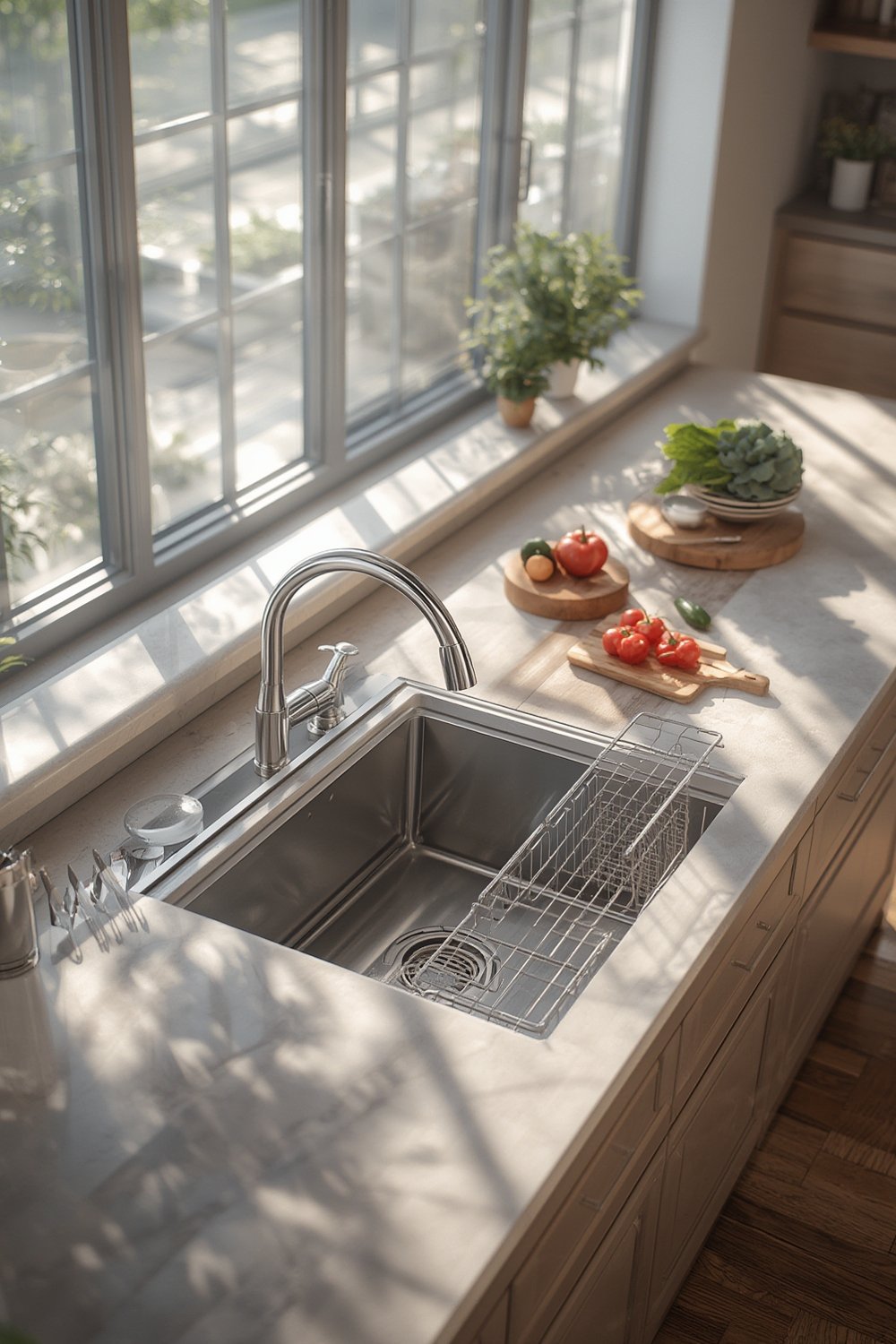
Growing demand is driven by homeowners seeking to minimize mess, maximize workspace, and create a seamless cooking experience—even in compact kitchens. Top manufacturers now offer models in stainless steel, quartz composite, and even fireclay, letting you match function and style (source).
The most requested accessory? Cutting boards, followed closely by sliding drying racks and sliding colanders (source). This modularity allows everyday cooks or seasoned home chefs to prep and clean up quickly, with less counter clutter.
Step-by-Step Guide: How to Choose and Use a Workstation Sink
Ready to upgrade your kitchen workflow? Here’s how to choose the right workstation sink and set it up for real-world use:
-
Determine Size and Bowl Configuration
Most users now prefer a large single bowl—at least 32 inches wide—to accommodate sheet pans and multiple pots. Measure your cabinet and kitchen workflow to avoid a mismatch. -
Choose the Right Material
- Stainless steel: Versatile and durable, dominates the category but pay attention to finish (brushed/matte hides scratches best).
- Quartz composite and fireclay: Offer bolder color options and low maintenance, but check for quality manufacturing to prevent chipping or staining.
- Granite composite/PVD color stainless: Good for matching modern kitchens with alternative hues.
-
Select Your Accessories
The essentials: sliding cutting board, drying rack, colander/strainer, and in some brands, prep bins. Prioritize accessories you’ll actually use to avoid clutter in your kitchen drawers. -
Installation
- Drop-in: Easiest for DIYers, usually cheaper but with a visible lip.
- Undermount: Sleeker look and counter-level access, but requires professional install and precise countertop cuts.
-
Long-term Care & Maintenance
For inserts and cutting boards: regularly clean, dry after use, and avoid soaking wooden components. Stainless parts need routine cleaning to prevent water spots or corrosion—refer to your manufacturer’s specific care guide.
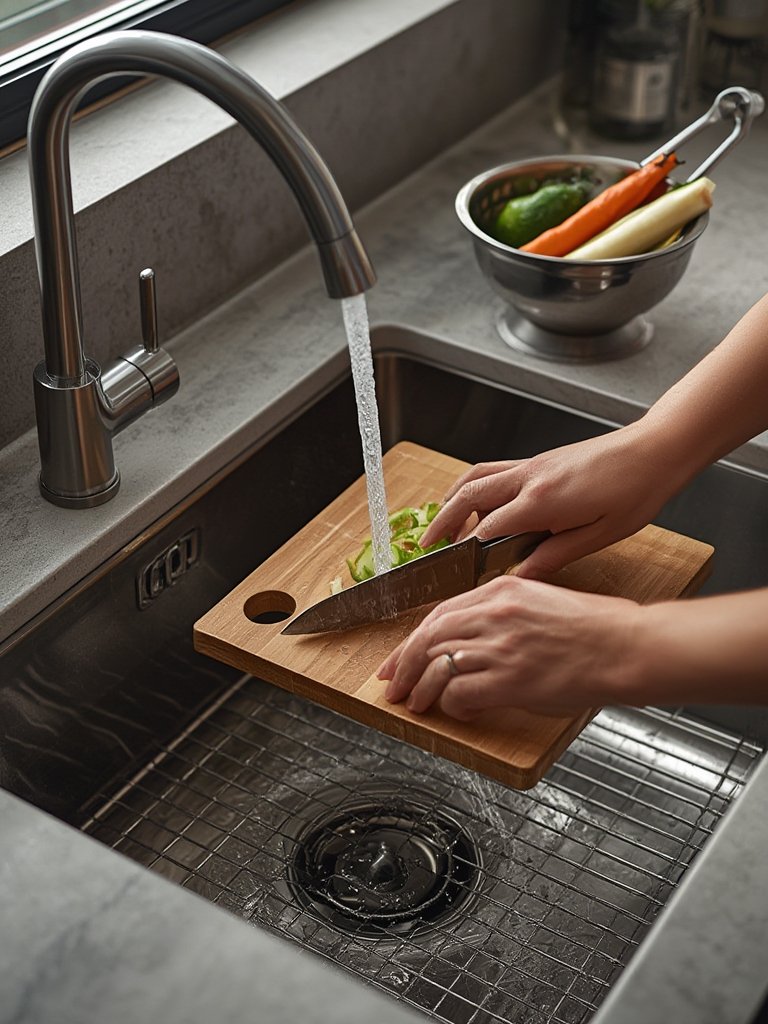
Pay attention to the type of prep you do most. For frequent entertaining or batch cooking, consider a wider workstation sink to handle more volume. For smaller kitchens, a compact model with tiered ledges may be optimal. If you’re outfitting a smart kitchen or remodeling for appliance integration, check out connected solutions like AI cooking assistant induction ranges (AI cooking assistant) and smart fridge grocery list apps (smart fridge grocery list app) for a cohesive setup.
Looking for more on kitchen hardware? Our chef’s knife guide details must-have tools that go hand-in-hand with workstation prep.
Advanced Analysis & Common Pitfalls
While workstation sinks are surging in popularity, it’s vital to approach the purchase with realism. Real-world feedback and research highlight key challenges, missing data in many competitor articles, and what to watch out for during selection and use.
| Feature | Workstation Sink | Traditional or Farmhouse Sink |
|---|---|---|
| Prep Space Integration | High—multi-function ledges with integrated accessories | Low—tasks spread across separate counter areas |
| Clutter Control | Reduces counter mess and keeps workflow contained | Counters easily fill with prep tools and dishes |
| Initial Cost | Higher—especially with premium accesssories or materials | Typically lower; standard options widely available |
| Maintenance Challenges | Accessory upkeep (dry after use, avoid lost parts), monitor inserts for wear | No integrated accessories—fewer parts to lose or clean |
| Durability Data | Limited long-term public data on accessory lifespan (source) | Well-established for basic bowl/sink portion |
- Accessory loss or wear: Sliding cutting boards, drain racks, and strainers can wear out or get misplaced. Opt for brands with clear replacement part availability.
- Material mismatch: Choosing the wrong surface (e.g. shiny stainless that scratches, low-grade composite) means a sink that looks tired fast.
- Installation mistakes: Underestimating required cabinet size or failing to seal undermount options leads to leaks or wasted money.
- Unrealistic expectations: Workstation sinks are only as good as their accessories. The best setups use a few high-quality tools. Too many, and it can become disorganized—addressing this is key, as most competitor posts overlook it.
For those inspired by integrated kitchen setups, explore how smart appliances work alongside modern sinks. A smart fridge with barcode scanner or a connected kitchen assistant can turn prep and planning into a seamless workflow—especially in busy households.
Conclusion
Workstation sinks deliver a blend of prep efficiency, space optimization, and modern design for busy home cooks and entertainers. By selecting the right bowl size, material, and core accessories, you can transform everyday routines and reduce kitchen clutter. Remember to prioritize your real prep needs and focus on maintainable, high-quality inserts to fully enjoy a workstation sink for years.
Ready to upgrade your workflow? Review your needs, consult sources like this market analysis, and get started with a workstation sink that matches your kitchen and cooking style—then pair it with other smart cooking tools for a truly modern space!
FAQ Section
What is a workstation sink?
A workstation sink is a kitchen sink with built-in ledges and compatible accessories like cutting boards, drying racks, and colanders. It lets you prep, rinse, and clean up in one organized zone, reducing clutter across your countertops.
Which accessories add the most value to workstation sinks?
Cutting boards are the most requested accessory, followed by drying racks and sliding colanders. These let you prep food, drain pasta, or air-dry dishes without using extra counter space.
Are workstation sinks hard to maintain?
They require regular cleaning especially for the accessories. Wooden cutting boards should be dried after use, stainless steel parts wiped down, and all inserts checked for buildup or wear. Choose models with replacement parts available.
Do workstation sinks cost more than standard sinks?
Generally yes, due to extra engineering and included accessories. Costs vary by material and brand. Professional installation (especially for undermount models) can also add to the total price.
Is there long-term durability data on workstation sink accessories?
Currently, there’s limited public data on multi-year accessory performance. Look for brands with good warranty policies, clear support for replacements, and owner reviews that mention long-term reliability.
[…] you need a pan that fits into tight kitchen setups, our workstation sink guide covers space planning, while chef’s knife maintenance tips may help with holistic kitchen […]