

nitrided carbon steel pan technology is quietly changing how serious cooks think about nonstick and durability, promising a new balance between easy release and old-school reliability. Whether you are shopping for your first skillet or replacing worn-out Teflon, understanding nitrided carbon steel is crucial before you buy.
Key Takeaways
- Nitrided carbon steel pans deliver nonstick performance and less rust risk, often without chemical coatings or initial seasoning.
- They are lighter than cast iron and traditional carbon steel, but heavier than nonstick pans, with some usability quirks.
- Information gaps remain on detailed durability, precise performance metrics, and long-term cleaning or warranty expectations.
- What Is a Nitrided Carbon Steel Pan and Why Does It Matter?
- How to Use and Care for a Nitrided Carbon Steel Pan
- Advanced Analysis and Common Pitfalls
- Conclusion
- FAQ
What Is a Nitrided Carbon Steel Pan and Why Does It Matter?
Nitrided carbon steel pans are an innovation in cookware, designed to bridge the gap between high-heat searing, nonstick convenience, and rust resistance. Unlike traditional carbon steel, which is just iron and a small amount of carbon, nitrided pans use a special heat-and-gas treatment (nitriding) to create a tough, food-safe surface.
This surface resists corrosion and doesn’t require the drawn-out seasoning ritual familiar to carbon steel or cast iron users. Instead, the pan arrives with a built-in nonstick layer, so you experience easier food release (once broken in), and you are less likely to battle rust after every wash. These characteristics are especially attractive in modern kitchens where ease of use and safety (no chemical coatings) matter.
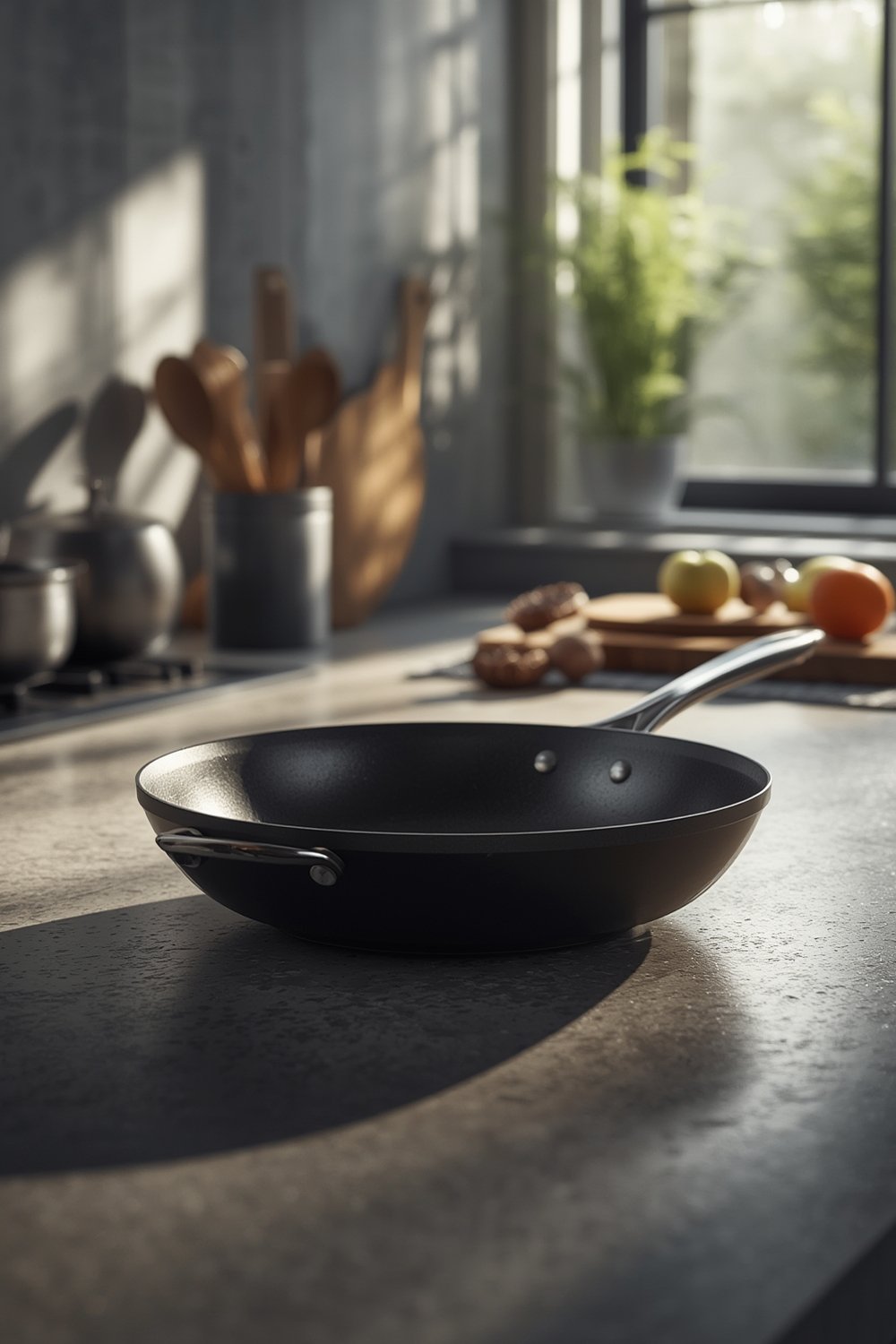
The nitrided carbon steel process also produces pans that are lighter than cast iron and many traditional carbon steel models, making them easier to handle yet still much more durable than classic nonstick. However, they bring a unique mix of benefits and tradeoffs, which we dissect below based on the latest 2024 research and owner feedback.
How to Use and Care for a Nitrided Carbon Steel Pan
Getting the most from your nitrided carbon steel pan is straightforward, but a few steps increase success, especially during the initial transition from other materials.
- Unbox and Wash: Wash the pan by hand with warm water and a small amount of dish soap to remove factory oils or dust. Dry it thoroughly.
- No Initial Seasoning Needed: Unlike raw carbon steel, nitrided pans do not require seasoning before use. You can start cooking after the first wash.
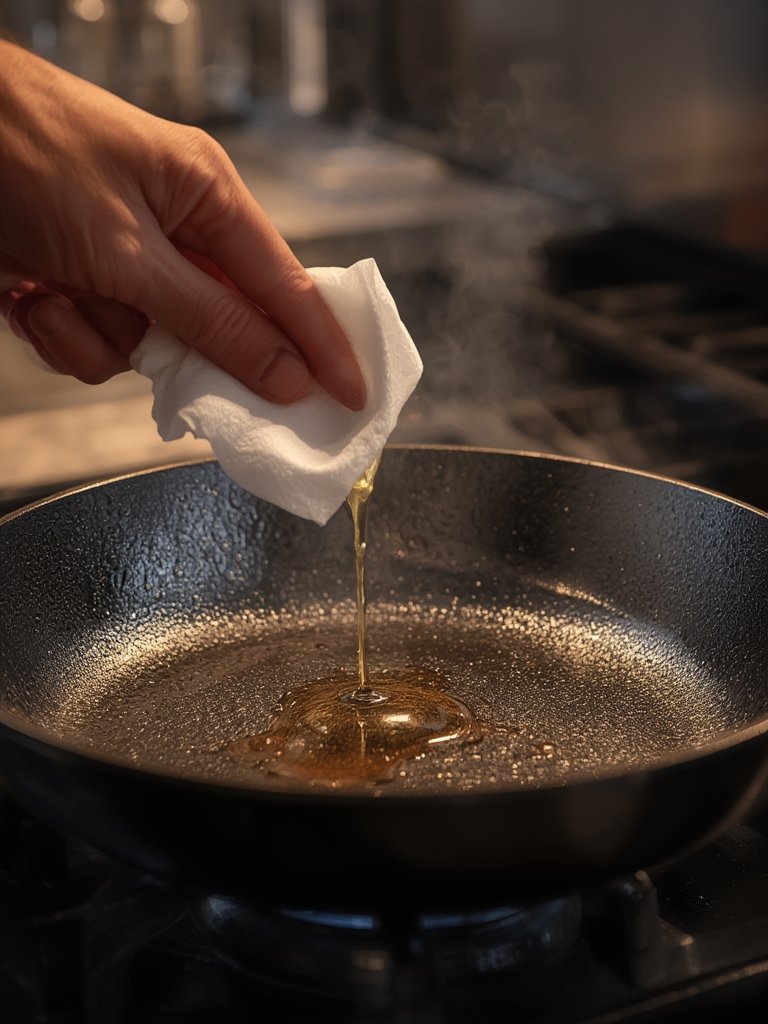
- First Few Cooks Matter: Use a higher smoke-point oil (like sunflower or avocado) and avoid cooking high-acidity foods (like tomato sauce) in your first few sessions. Eggs, pancakes, or sautéed veggies are ideal for building up a smooth release.
- Pan Heating: Preheat on medium—nitrided pans warm up quickly. Add oil before food for best results.
- Metal spatulas are safe. The nitrided surface is robust against scratching, unlike classic nonstick coatings.
- Cleaning: Let the pan cool partially, then hand-wash with a non-abrasive sponge. Most models tolerate steel wool if needed, but avoid harsh industrial scrubbers that might damage the finish.
- Dry Promptly: Although nitrided pans have some rust resistance, it’s best to dry them quickly after washing to prevent water spots.
- Storage: Store in a dry spot. No need to oil the surface after each use, but doing so may extend life if you notice any dullness or minor sticking.
True nonstick performance may improve over weeks of use; this is normal and documented in verified reviews. If you want a deeper dive on setting up oddly-shaped or smart kitchen appliances, see our AI cooking assistant induction range guide for modern stovetop compatibility tips.
For tech-savvy cooks interested in advanced kitchen monitoring, check out the GE Profile Smart Fridge Barcode Scanner article to make inventory tracking and storage safer for your pans and ingredients.
Advanced Analysis and Common Pitfalls
Recent research and pan owner reviews highlight several areas where nitrided carbon steel stands out—and where it still falls short. These insights are essential before you decide to upgrade.
Side-by-Side Feature Comparison
| Feature | Nitrided Carbon Steel | Traditional Carbon Steel | Cast Iron |
|---|---|---|---|
| Nonstick Out of Box | Partial (improves with use) No chemical coating |
Requires seasoning Builds up over 5-6 uses |
Requires seasoning Slow improvement |
| Rust Resistance | High (from nitriding) | Low (prone unless oiled) | Low (prone unless oiled) |
| Weight | Lighter than cast iron or heavy carbon steel | Moderate to heavy, varies by thickness | Heaviest; thickest construction |
| Maintenance | Less frequent oiling Surface tolerates metal utensils |
Needs ongoing oiling Metal utensil caution |
Same as traditional carbon steel |
| Food Release Consistency | Some initial sticking reported Surface improves with fats |
Sticky until seasoned Varies by pan shape/thickness |
Slow to develop nonstick |
| Oven-Safe Temperature | Up to 750°F (KitchenAid NITRO) | Usually 500–600°F | Usually 500–600°F |
Common Pitfalls to Expect
- Low Walls = Messier Cooking: Many nitrided models have shallower walls, which can cause oil splatter and food debris on your cooktop (source).
- Initial Stickiness: Not all nitrided pans are equally slick from the first use. The KitchenAid NITRO, for example, requires a few cooking sessions to improve release quality (source).
- Surface Texture Variability: The smoothness of the nitrided finish differs by manufacturer. Some, like the Anolon EverLast N2, are silkier, while others can feel slightly rough at first (source).
- Heavier Than Nonstick: While lighter than cast iron, nitrided carbon steel is still heavier than classic nonstick cookware. Some users find maneuverability a challenge with larger pans.
- Unclear Warranty and Specs: Most nitrided pans lack detailed warranty documentation or exact specifications (weight, thickness, handle materials) in public listings (source).
If you need a pan that fits into tight kitchen setups, our workstation sink guide covers space planning, while chef’s knife maintenance tips may help with holistic kitchen upgrades.
Still Missing: Full Data Transparency
- No precise market share for nitrided carbon steel versus traditional or cast iron (global market estimates range $1.8 billion to $2.14 billion, but breakdowns lack detail).
- No laboratory-verified side-by-side tests for heat retention, nonstick cycles, or lifespan under everyday use.
- Evidence-based seasoning and maintenance guides for nitrided carbon steel still need development.
To see how smart appliances stack up for cooking control and performance, our Hisense AI Induction Range review offers a realistic take on new kitchen tech working alongside legacy cookware.
Conclusion
Nitrided carbon steel pans are promising, combining easy release, greater rust resistance, and improved utensil safety over classic cookware. However, buyer beware—real-world issues like inconsistent surfaces, unclear specs, and lack of long-term data mean you should set your expectations for gradual improvements and some trial and error.
Ready to try a nitrided carbon steel pan? Choose a reputable model and see if the convenience and performance match your kitchen needs. Share your results and let us know if these new-generation pans stand up to the hype.
FAQ
Do nitrided carbon steel pans need to be seasoned?
No, most nitrided carbon steel pans arrive ready to use. The nitriding process creates a nonstick layer so you can skip initial seasoning. However, cooking with oil over time can further improve food release.
Can I use metal utensils with a nitrided carbon steel pan?
Yes. Unlike classic nonstick, the nitrided surface is resistant to scratching from metal tools, though you should still avoid gouging or prying with sharp implements.
Are nitrided carbon steel pans heavy?
They are lighter than traditional cast iron and many raw carbon steel pans, but heavier than most ceramic or Teflon nonstick. If weight is a concern, check the manufacturer’s listing for the actual grams or pounds.
What types of cooking are best for nitrided carbon steel?
Great for high-heat searing, stir-frying, sautéing, or frying eggs and pancakes. Nitrided pans are oven safe at higher temperatures, but always verify the oven-safe limit for your specific model.
Does the nonstick performance improve over time?
Yes. Many users report stickiness at first that gets better with use, especially if you cook fatty foods or avoid highly acidic dishes in your first few rounds.