

Cabbage recipes are the go-to option for anyone who wants affordable, versatile, and healthy meals—yet most home cooks overlook how easy it can be to bring this underrated vegetable into daily meal prep. With changing trends in cabbage consumption and rising interest in plant-forward diets, learning how to master both the basics and advanced techniques can help you get more out of every head of cabbage.
Key Takeaways
- Cabbage remains widely available and budget-friendly, despite a slow decline in U.S. per capita consumption in recent years.
- Simple preparation methods—like roasting, grilling, or using compact smart appliances—make cabbage recipes easier and more interesting.
- Most resources miss details on prep time, pitfalls, and nutritional value, but getting creative with technique can help solve common issues.
- What Makes Cabbage Recipes a Smart Choice?
- How to Master Cabbage Recipes: Step-by-Step Guide
- Advanced Analysis & Common Pitfalls
- Conclusion
- FAQ
What Makes Cabbage Recipes a Smart Choice?
Cabbage recipes offer a straightforward solution for cooks who want healthy, wallet-friendly meals. In 2024, U.S. per capita consumption of fresh cabbage was about 5.54 pounds, a slight drop from the previous year but still representing strong usage. The global cabbage market exceeds $36 billion, and availability is even up 1% in 2024 as other vegetables see sharper declines.
Cabbage holds a sweet spot for its versatility: use it raw for crunch, roast or grill for caramelization, or stir-fry for a quick side. This flexibility makes cabbage ideal for working families and meal preppers using both basic heat sources and advanced kitchen tech like an AI cooking assistant induction range or air fryers for speedy, hands-off dishes.

And with over one-third of U.S. shoppers buying cabbage each year, it’s clear that both traditional and modern recipes remain popular. See how integrating apps and appliances can make prepping cabbage even easier, especially if you use a smart fridge with grocery management tools.
How to Master Cabbage Recipes: Step-by-Step Guide
- Choose the Right Cabbage
Green cabbage is the most common and works for almost any recipe, but consider red cabbage for salads, especially since red cabbage popularity rose sharply in Europe’s health food segment in 2023. Savoy or Napa varieties bring a softer texture, ideal for stuffed recipes or light stir-fries. - Prep Your Ingredients
Always remove the outer leaves, slice against the grain for tenderness, and wash well. Pat cabbage dry before roasting or grilling to promote optimal browning. - Decide on Cooking Method
Roasting (at 425°F) brings sweet, nutty notes. Grilling caramelizes edges. Raw slices add crunch to salads and slaws. Quick stir-fries work well for fast meals, and microwaves or microwave air fryers help in small kitchens. - Season Thoughtfully
Don’t under-season. Cabbage absorbs flavors well—try bold spices, sharp vinegars, or fermented condiments to counteract potential bitterness. - Use Smart Tech (Optional)
Busy? Use a smart grocery inventory app to track cabbage freshness or check for built-in recipe guides on a Hisense AI induction range. These tools minimize food waste and reduce prep stress. - Meal Prep for Versatility
Slice and store raw or roasted cabbage in airtight containers for repeat use. Add to soups, tacos, noodle bowls, or sandwiches throughout the week.
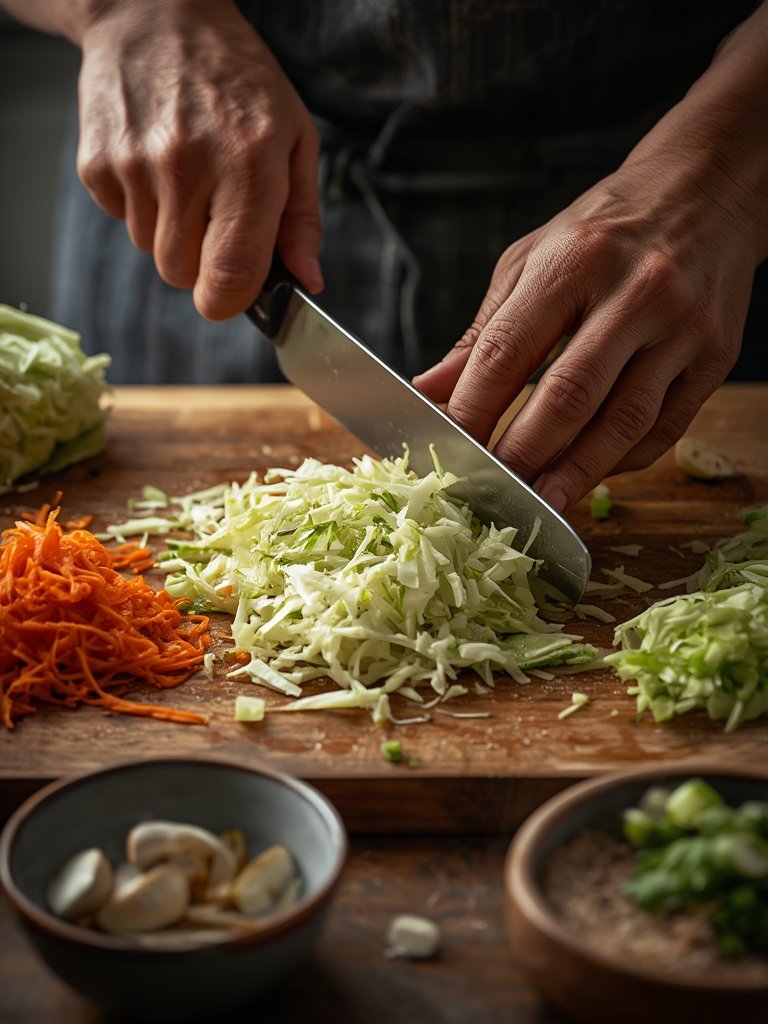
Remember to adjust times and temperatures if switching between traditional, smart, or multi-function cookers—this helps avoid uneven or mushy results. Consult any appliance instructions or smart features for suggested settings.
Advanced Analysis & Common Pitfalls
Despite their reputation for ease, cabbage recipes can cause frustration, especially if you’re new to home cooking or experimenting with modern kitchen gear. Here’s what usually goes wrong and how to prevent it:
- Bland, Over-Boiled Cabbage:
- Boiling dulls texture and flavor. Avoid unless coleslaw or soup calls for par-cooking. Use roasting, air frying, or grilling for best results.
- Bitterness and Tough Texture:
- Stems may taste tough unless removed. Under-seasoned or poorly caramelized cabbage often seems bitter.
- Uneven Cooking:
- If cabbage wedges are cut unevenly or oven is overcrowded, you get inconsistent doneness. Use uniform thickness and don’t overload pans or racks, especially in a microwave air fryer combo.
- Stale or Wilted Cabbage:
- Check fridge inventory and use apps or barcode scanners to track. Smart fridges like the Bespoke AI refrigerator Gemini can help prevent forgotten produce going to waste.
- Not Enough Variety:
- Most people stick to the same simple preparations. Try global approaches: Asian-style stir fries, Eastern European stuffing, or Latin American slaws for new flavors.
| Pitfall | Common Cause | How to Avoid |
|---|---|---|
| Bitterness | Thick stems, under-seasoning, overcooking | Trim stems, season boldly, use high-heat dry methods |
| Soggy or Mushy Texture | Low oven temperature, crowded pan, excess moisture | Roast at 425°F+, slice evenly, dry cabbage thoroughly |
| Flavorless Results | Not enough seasoning or acid | Add salt, spices, and finish with citrus or vinegar |
| Forgotten or Wasted Cabbage | Lack of tracking/storage planning | Utilize fridge inventory apps or a barcode scanner on your smart fridge |

While current research and trending food sites lack granular nutritional breakdowns, most cabbage recipes are low-calorie, fiber-rich, and budget-friendly. However, note the absence of robust price-per-pound data for 2024, which suggests some unpredictability in household expenses.
Conclusion
Cabbage recipes give you a powerful mix of affordability, versatility, and nutrition, especially in an era where food prices and diet trends keep shifting. By choosing the right variety, mastering a few essential techniques, and leveraging modern appliances when needed, you can minimize common cabbage pitfalls and make meals more interesting without adding costs or complexity. Ready to start cooking with confidence? Try one new cabbage recipe this week, and see why this humble vegetable is making a comeback in kitchens everywhere.
FAQ
What is the best way to store leftover cabbage?
Store cut or shredded cabbage in an airtight container in the refrigerator. For extra longevity, consider using a smart fridge with tracking apps to monitor freshness. Whole heads can last up to two weeks in the crisper drawer.
How do I reduce bitterness in cooked cabbage?
Remove thick stems, season generously, and finish dishes with acid like vinegar or lemon juice. High-heat roasting or grilling also helps develop sweetness and reduce bitterness.
Are cabbage recipes suitable for meal prep?
Absolutely. Roast, grill, or shred cabbage ahead of time and keep it refrigerated to add to sandwiches, salads, soups, or stir-fries throughout the week.
Can I use cabbage with smart kitchen appliances?
Yes. Many new air fryers, induction ranges, and smart fridges help with cabbage prep, tracking, and recipe suggestions. Explore options like double stack air fryers or AI-connected induction stoves for streamlined cooking.
What are the key nutritional benefits of cabbage?
Cabbage is rich in fiber, vitamin C, and low in calories. Even without exact breakdowns for every recipe, it remains a nutritional staple in many plant-forward diets.
—
[…] mayonnaise-based carrot salads. Need inspiration for more quick veggie sides? Check out our cabbage recipes for easy weeknight meals for more crunchy salad […]
[…] chef’s knife can have on meal prep, especially with today’s health-driven recipes like cabbage meal prep and air-chilled […]