

Chef’s knife is the one kitchen tool that can instantly upgrade your cooking, but with so many choices and confusing features, finding and maintaining the right one can feel overwhelming.
Key Takeaways
- Chef’s knives range from mass-market under $100 to premium models up to $500, with major brands pushing improvements in materials and ergonomics.
- Most users struggle with maintenance and edge retention; knowing what matters (and what’s marketing) saves time and frustration.
- Beginner mistakes and practical buying tips are more important than chasing the “best” or trendiest chef’s knife for your kitchen.
- What Makes a Chef’s Knife Essential?
- How to Choose, Use & Maintain a Chef’s Knife: Step-by-Step
- Advanced Analysis & Common Pitfalls
- Conclusion
- Frequently Asked Questions
What Makes a Chef’s Knife Essential?
A chef’s knife is the backbone of every kitchen, prized for its balance of power and precision. Chopping, slicing, dicing, and mincing—this versatile tool handles nearly every prep task, making it indispensable for beginners and professionals alike. Demand for chef’s knives is surging, with the kitchen knife market valued at over $2 billion in 2024.
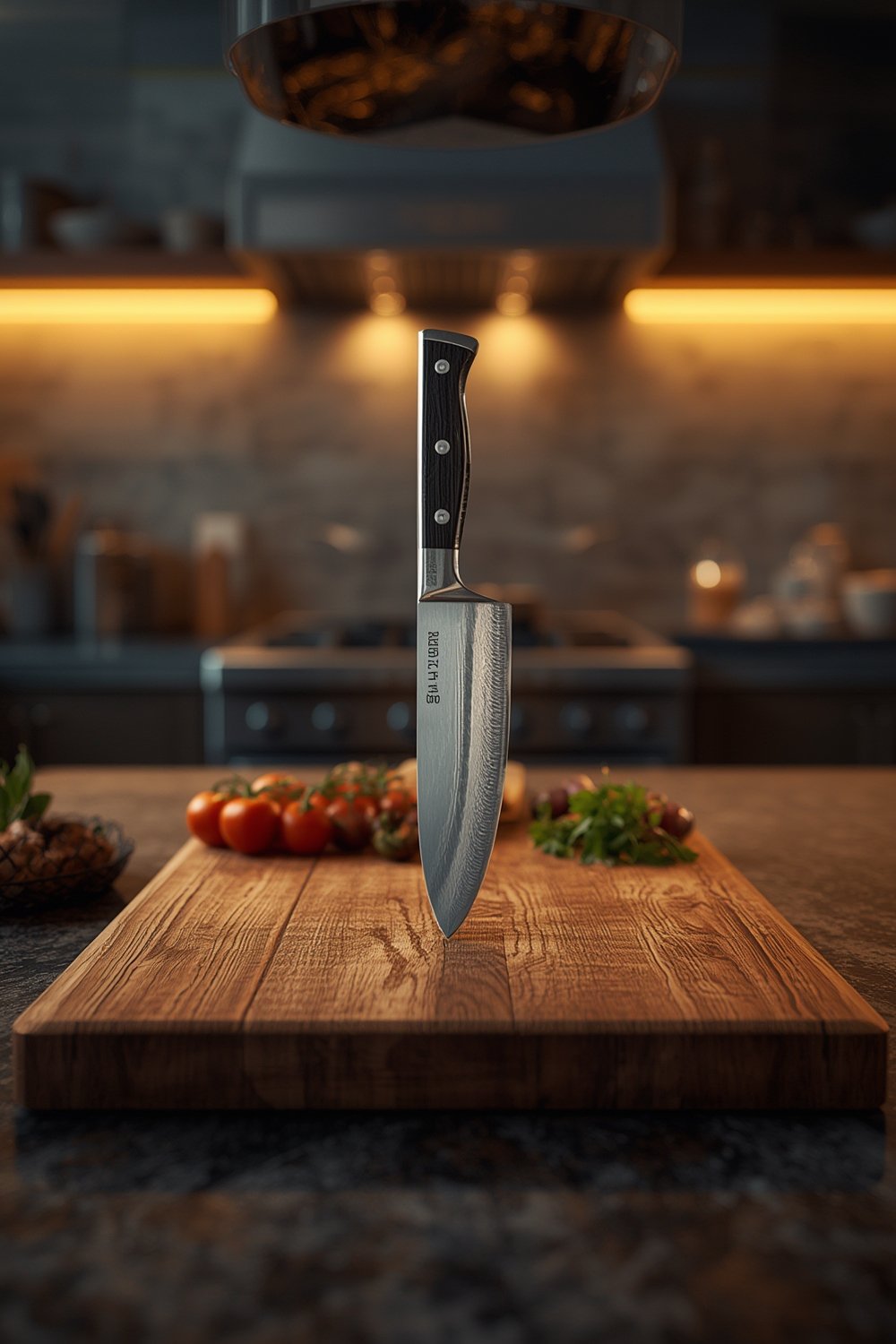
Best-selling chef’s knife brands like Shun, Wusthof, Zwilling, and Global are constantly tweaking steel formulas, blade shapes, and handles for improved sharpness, safety, and comfort. Emerging trends include eco-friendly manufacturing, subscription sharpening services, and limited editions with chef endorsements. Notably, knives under $100 dominate mainstream sales, but chef’s knife enthusiasts increasingly invest in high-end models priced up to $500.
The real trick: understanding which features matter for your cooking style—and how to avoid common buying and maintenance mistakes that can ruin your experience or waste money.
How to Choose, Use & Maintain a Chef’s Knife: Step-by-Step
Picking the right chef’s knife and keeping it sharp isn’t just for chefs—it saves time, frustration, and even money over time. Here’s an actionable plan:
- Determine your budget and skill level. For most home cooks, a chef’s knife in the $50 to $120 range provides lasting quality without premium price tags. Brands like Victorinox and Tojiro deliver best-in-category value.
- Decide on Japanese vs. German style. Japanese chef’s knives are known for thinner, sharper blades (ideal for precision work), while German knives offer more durability and easier maintenance. In reality, both feature premium steel, and daily performance often comes down to personal preference. Shun and Mac Knife (Japanese) or Wusthof and Zwilling (German) are top picks (source).
- Inspect materials and craftsmanship. Prefer high-carbon stainless steel for balancing edge retention, rust resistance, and ease of sharpening. Cheap knives often dull quickly and may not feel good in hand.
- Check ergonomics. Hold the knife and mimic a few chopping motions. The handle shape and weight distribution should feel stable, not slippery or fatiguing—if you’re unsure, ask the store staff for advice.
- Practice basic knife maintenance. Get a honing steel and use it every few sessions. This realigns the blade and is often all it takes to restore sharpness. For major sharpening, home pull-through sharpeners work, but for the longest lifespan and best edge, occasionally invest in a pro sharpening service (now widely available as subscriptions).
- Store knives properly. Use a knife block, magnetic strip, or sheath (not a drawer) to protect the edge and minimize accidents.
- Build habits, not just knowledge. Cleaning your chef’s knife by hand—never putting it in the dishwasher—and drying it right away will extend its life dramatically.
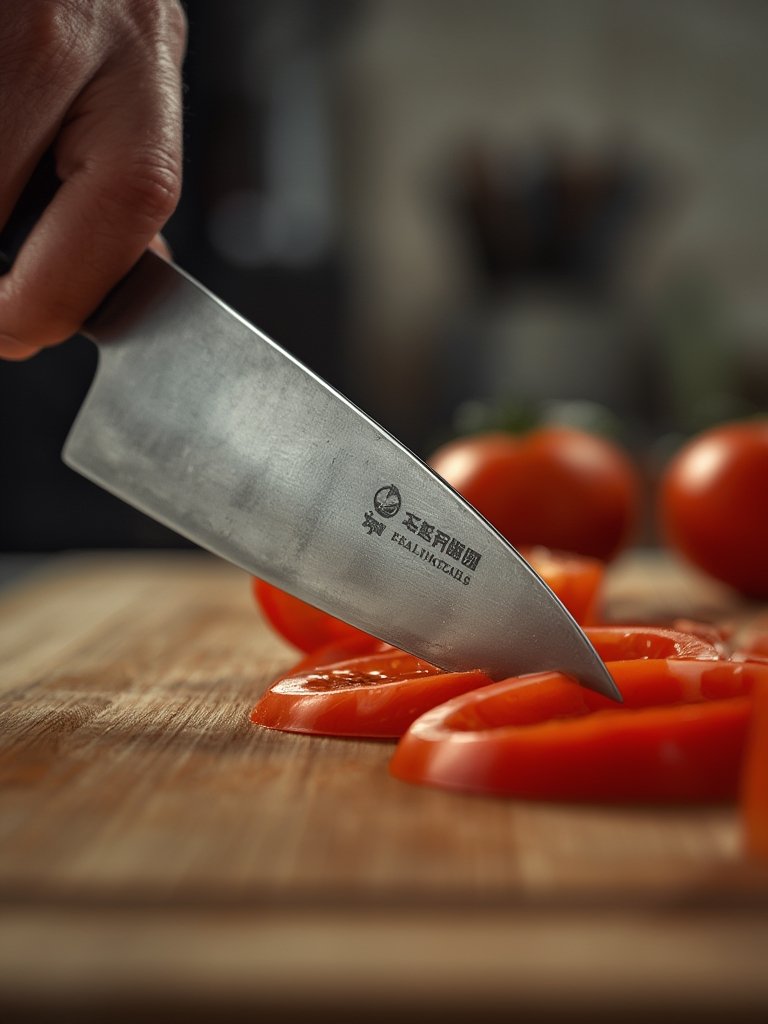
Maintenance matters. Even the best chef’s knife dulls over time. If you want to go deeper, look out for subscription-based sharpening services—one of several emerging trends that make pro-level sharpness accessible at home. For more on how AI and smart tech are transforming kitchens—like recipe-guiding induction ranges—explore options such as the AI Cooking Assistant Induction Range.
Finally, don’t underestimate the impact a well-kept chef’s knife can have on meal prep, especially with today’s health-driven recipes like cabbage meal prep and air-chilled chicken.
Advanced Analysis & Common Pitfalls
The market for chef’s knives is flooded with options, but industry data exposes real-world issues:
- Pricing Confusion: Mass-market knives under $100 outsell premium ones, yet the premium segment is growing fast, making it harder to distinguish performance from prestige (source).
- Lack of Reliable Specs: There is little published data about blade hardness, edge retention, or ergonomics by brand or country of origin. This makes direct comparison tricky for buyers.
- Counterfeit Imports & Raw Material Variability: Industry-wide challenges such as raw material price spikes and counterfeits can lead to unpredictable quality and pricing.
- Maintenance Missteps: Beginner users often let knives dull before sharpening, or use cheap pull-through sharpeners that actually damage the blade profile. Some ignore routine honing, causing more expensive and frequent professional sharpening needs.
- Inadequate Safety & Storage: Drawing knives from kitchen drawers leads to nicks, dull blades, and avoidable accidents.
| Feature | Japanese Chef’s Knife | German Chef’s Knife |
|---|---|---|
| Blade Thickness | Thin (precise, sharp, delicate) | Thicker (stable, less fragile) |
| Edge Angle | 10-16 degrees (sharper) | 18-22 degrees (robust, easier to maintain) |
| Steel Type | High-carbon stainless (often harder & more brittle) | High-carbon stainless (tougher, less brittle) |
| Ideal Use | Precise slicing, vegetables, fish | Chopping meat, hard veggies |
| Maintenance | Sharpen more often, handwash only | Hold edge longer, more forgiving |
Most comparison data is based on general market trends and brand claims, as there’s no publicly published blade hardness or edge retention data by brand as of 2024 (source).
For a look at how kitchen hardware is evolving rapidly, see the reviews for innovative cooking tech like the Hisense AI Induction Range or smart grocery management with the GE Profile Smart Fridge Barcode Scanner.
Conclusion
Choosing the right chef’s knife means focusing on comfortable handling, reliable materials, and smart, simple upkeep. Ignore hype and zero in on long-term practicality. Whether you’re slicing cabbage, prepping air-chilled chicken, or just dicing onions after work, the right chef’s knife will save you time and effort.
Ready to upgrade your cooking? Try holding a few knives in person, compare trusted brands, and build a habit of quick maintenance—your meals (and hands) will thank you. Want more tips on small-appliance upgrades? Start with a smart fridge grocery list app to keep your kitchen streamlined—from prep to cleanup. The chef’s knife is a foundational investment, not a throwaway gadget: treat it like one.
Frequently Asked Questions
What is the most important feature for beginners buying a chef’s knife?
Handle comfort and balance outweigh brand or super-hard steel ratings for most beginners. If a knife feels awkward, you’ll avoid using it.
How often should I sharpen my chef’s knife?
Hone your chef’s knife with a steel every few uses. Professional sharpening is recommended every 6-12 months for home cooks who prep meals regularly.
Is it worth spending more than $100 on a chef’s knife?
For most home cooks, the $50-$120 range covers excellent knives from reputable brands. Only invest more for high-performance steel or if you cook daily and value subtle handling upgrades.
Can chef’s knives go in the dishwasher?
No. Dishwashers will dull and potentially damage blades and handles. Always hand-wash your chef’s knife and dry it immediately.
How do Japanese and German chef’s knives really compare?
Japanese knives are thinner, sharper, and often require more care; German knives are more forgiving, easier to maintain, and durable for heavy-duty tasks. In practice, both types excel but choosing one comes down to cutting style and personal preference.
[…] for more on kitchen hardware? Our chef’s knife guide details must-have tools that go hand-in-hand with workstation […]
[…] Health & Nutrition Blind Spots: If you seek healthier options, know that not every “health-focused” meal delivery service offers transparent ingredient sourcing or calorie info. Research individual providers directly (or see our related guides for healthy kitchen gear like non-toxic air fryers and chef’s knives). […]