

Cottage cheese recipes are trending in 2024 because they solve two critical kitchen problems: boosting nutrition and cutting calories, all while staying affordable and easy to prepare. From viral pancake stacks to creamy high-protein desserts, cottage cheese is now the backbone for home cooks who want results that are both satisfying and realistic—without excessive sugar or fat.
Key Takeaways
- Cottage cheese recipes are high in protein and lower in calories than many traditional desserts and snacks, making them popular in 2024.
- Texture issues and innovative twists (like collagen or vegan versions) are shaping the current cottage cheese market trends.
- Viral cottage cheese meals (like pancakes, bowls, and dips) are easy to prepare but may require creative hacks to get the perfect consistency.
- What Makes Cottage Cheese Recipes Work?
- Step-by-Step Guide for Better Cottage Cheese Recipes
- Advanced Analysis & Common Pitfalls
- Conclusion
- Frequently Asked Questions
What Makes Cottage Cheese Recipes Work?
Cottage cheese delivers a rare trifecta: it’s protein-packed, low in calories compared to most dessert bases, and adapts to both sweet and savory recipes. With 14 grams of protein per half cup and only 200 calories in a 150g dessert portion, cottage cheese easily beats many store-bought snacks (source). In 2024, food innovators are taking this even further—using cottage cheese as the backbone for high-protein frozen treats, low-carb cheesecakes, gluten-free pancakes, and even vegan bowls. Collagen-infused cottage cheese ice cream and plant-based options from Miyoko’s Creamery are pushing the envelope (source). Whether your goal is post-gym fuel or a creamy dessert without guilt, cottage cheese recipes deliver.

Step-by-Step Guide for Better Cottage Cheese Recipes
Ready to avoid disappointment and get smoother, tastier results? Here’s how to make cottage cheese recipes that actually wow.
- Choose the right fat level: Full-fat cottage cheese gives creamier texture, but low-fat works for calorie control. For vegan options, brands like Miyoko’s Creamery offer creamy, high-protein alternatives made with seeds and plant milk (source).
- Master your appliance: A high-speed blender or food processor is essential for breaking down curds. If you have a smart kitchen appliance, many induction ranges with AI cooking assistant functionality provide temperature control for gently cooking or melting cottage cheese in batters, improving results.
- Balance flavors: For dessert, vanilla extract and a touch of honey or sugar mask tanginess. For savory recipes, roasted garlic, fresh herbs, or even pickle seasoning (pickle-flavored foods) transform the base.
- Get the right consistency: For pancakes and baked goods, strain excess liquid. For ice cream or whipped spreads, use a food processor and scrape down the sides for a smooth mixture, pausing to taste and adjust sweetness as needed.
- Batch prep with technology: If you have a smart fridge, inventory tracking makes batch cooking easier by letting you know when you need to replenish your cottage cheese supply—or you can use a smart grocery list app to automatically restock ingredients.
Popular recipes that benefit most from these steps include cottage cheese pancakes, blended dips, protein-rich cheesecakes, and bowl combinations (like cottage cheese, granola, berries, and a drizzle of hot honey—see hot honey guide).
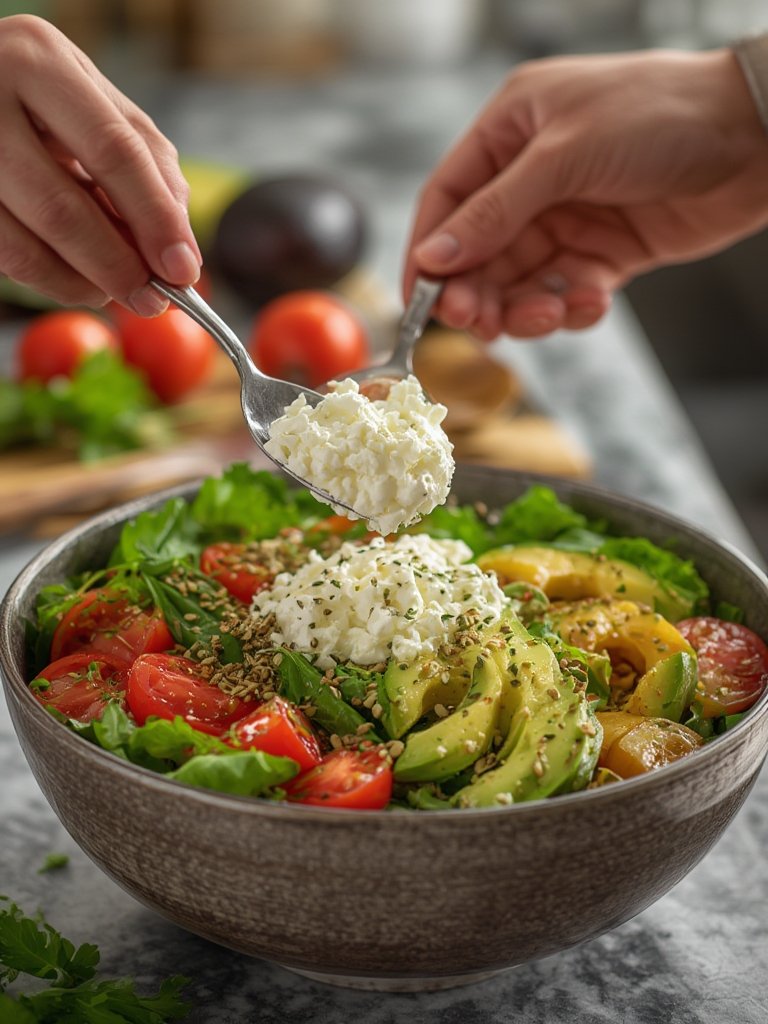
- Troubleshooting: If your dish tastes bland, try adding a pinch of salt or flavor boosters (lemon zest, cinnamon, cocoa powder). Don’t be afraid to experiment with toppings and mix-ins.
- Ingredient swaps: For gluten-free, use certified oats or nut-based crusts. For ultra-high protein, blend in a scoop of protein powder or collagen (used in Smearcase FroCo, which delivers up to 44 grams per pint).
Advanced Analysis & Common Pitfalls
While cottage cheese is easy to use, there are real pain points and market limitations to know before you dive in:
| Aspect | Potential Pitfall | Actionable Solution |
|---|---|---|
| Texture/Graininess | Grainy, lumpy, or “chalky” in desserts and dips | Blend thoroughly; add moisture with milk/yogurt; strain for a smoother result |
| Flavor | Tangy or “off” taste can dominate if not masked; low-fat versions can taste flat | Add sweeteners or flavor extracts; use roasted nuts, cocoa, or fruit; opt for full-fat for richer desserts |
| Cost Analysis | Cost per serving data is lacking; can be pricier than plain yogurt or some traditional snack bases | Buy in bulk; compare per-gram prices with alternatives; consider store brands |
| Vegan/Allergy adaptations | Lactose intolerance, dairy allergy, or plant-based needs limit standard cottage cheese use | Try seed- or nut-based versions like Miyoko’s Creamery (source) |
| FDA/Guideline Updates | No major cottage cheese-specific 2024 FDA advisory; must follow general U.S. dietary guidelines | Use current guidance for dairy, watch portion sizes (source) |
On social media, recipe trends like high-protein pancakes, dips, and pizza crusts using cottage cheese are spiking. Still, most viral videos gloss over graininess and flavor tweaks, so beginners may be frustrated by lackluster first results. Tech-forward cooks are taking advantage of appliance innovations—Hisense AI Induction Range review—showing how smart appliances help with mixing and consistency but don’t eliminate ingredient quality hurdles.
Keep in mind: competitor gaps exist around ultra-quick chocolate mousse or single-serve dessert solutions—meaning there’s room to experiment and impress your guests.

Conclusion
Cottage cheese recipes are dominating the healthy eating scene in 2024 by merging nutrition with convenience. While there’s no one-size-fits-all solution for graininess or flavor issues, blending thoroughly and using trending add-ins (like protein powder or collagen or vegan swaps) gives anyone a solid starting point. For more ways to modernize your cooking and ingredient management, check out how AI kitchen assistants and connected appliances optimize meal prep. Ready to try your own high-protein bowls and desserts? Explore creative cottage cheese recipes and see how easily you can upgrade your meal routine today.
Frequently Asked Questions
Are cottage cheese recipes good for weight loss?
Yes. Due to high protein and relatively low calories, cottage cheese recipes help you feel fuller longer and are widely used in weight loss meal plans. Use low-fat versions for even fewer calories, but don’t skip flavor boosters for satisfaction.
What are common mistakes when making desserts with cottage cheese?
The most frequent issue is a grainy or lumpy texture. Always blend thoroughly. Also, don’t forget to taste and adjust flavorings—plain cottage cheese can overpower a dessert unless sweetened and balanced.
Can you make vegan or dairy-free cottage cheese recipes?
Absolutely. Brands like Miyoko’s Creamery use watermelon seed milk and sunflower seed milk for vegan-friendly, high-protein cottage cheese that works in the same recipes.
Is it better to use full-fat or low-fat cottage cheese for cooking?
Full-fat gives richer, creamier results, especially in desserts and dips. Low-fat works well for calorie-conscious meals, but you might need to boost flavor and texture with extra ingredients like Greek yogurt.
What are some trending cottage cheese recipes right now?
High-protein pancakes, dips, cottage cheese pizza crusts, and mix-and-match bowls with granola and fruit are all popular in 2024. Social media trends show a 47.9% rise in cottage cheese recipes year-over-year, so watch for viral twists and seasonal variations.