

Dubai chocolate recipe is now a viral favorite, thanks to its unique mix of crunchy kataifi, pistachio cream, and rich chocolate shells. If you’re searching for a treat that stands out from the usual homemade chocolate, this is the bar to master—and it’s not as straightforward as it looks.
Key Takeaways
- The Dubai chocolate recipe stands apart for its toasted kataifi crunch and pistachio-tahini filling—unlike any classic chocolate bar.
- Success depends on technical steps: proper chocolate tempering, layering, and sourcing the right ingredients.
- Pitfalls include uneven chocolate shells, sourcing kataifi, and missed chilling steps—understanding these is key to great results.
The Core Concept
The Dubai chocolate recipe went viral for a reason: it combines the crisp, buttery crunch of kataifi (shredded phyllo dough) toasted in ghee with a pistachio and tahini filling, all encased in a glossy, snappable chocolate shell. Standard homemade chocolate simply can’t replicate those layers and textures. The careful process—layering, chilling, and tempering chocolate—yields a multi-textured bite that’s both nutty and deeply satisfying, with subtle Middle Eastern flavors from the tahini and pistachio cream.
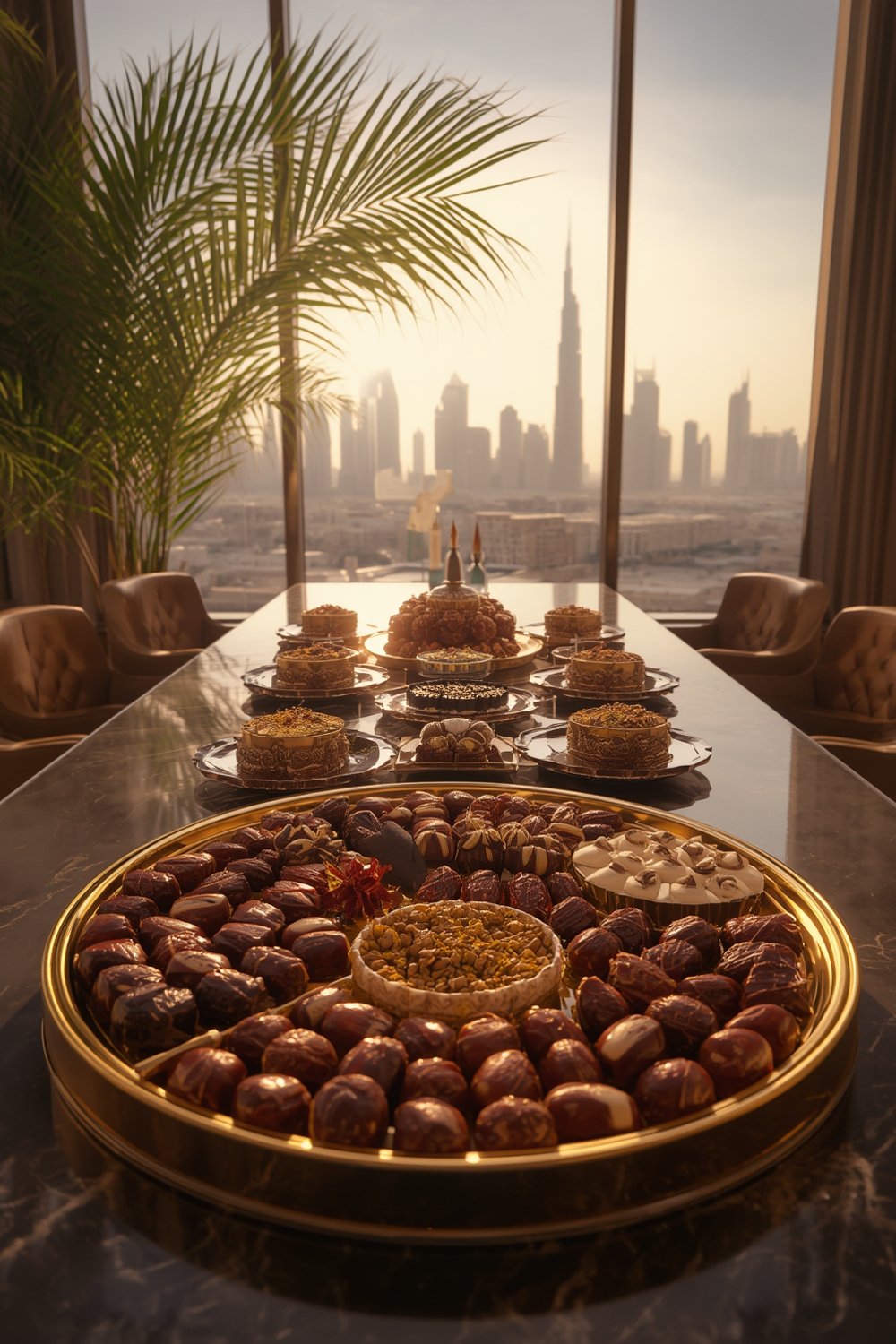
The original recipe’s filling reflects modern Dubai’s love for flavor fusion but isn’t rooted in traditional Emirati desserts. Instead, it’s a contemporary treat inspired by kataifi’s Middle Eastern role in desserts like kunafa, now reimagined inside chocolate. This explains the buzz—both at home and across social media—attracting adventurous bakers and dessert lovers worldwide.
Step-by-Step Guide
Below is a realistic, actionable method to recreate Dubai-style pistachio tahini chocolate bars at home—plus solutions for the trickiest parts.
Ingredients
- 200g high-quality dark or milk chocolate (for tempering)
- 50g kataifi or shredded phyllo dough
- 2 tbsp ghee (or unsalted butter)
- 50g shelled pistachios (plus extra for garnish, optional)
- 60g pistachio cream (or pistachio butter—unsweetened works best)
- 2 tbsp tahini (stirred well)
- Pinch of fine sea salt
- Optional: 1/8 tsp ground cardamom
Equipment
- Chocolate bar mold or silicone loaf mold
- Pastry brush (for chocolate coating)
- Mixing bowls, spatula, pan
- Microwave (for easy tempering, or use standard double boiler)
- Refrigerator space
Instructions
- Toast the Kataifi: Finely chop or pull apart kataifi (if using phyllo, shred very thin). Heat ghee in a saucepan on medium, add kataifi, and toast 3–5 minutes, stirring, until deeply golden and crisp. Stir in pistachios just before removing from heat so they stay bright and crunchy. Cool fully.
- Prepare the Filling: In a bowl, combine toasted kataifi, pistachios, pistachio cream, tahini, sea salt, and cardamom (if using). The filling should be cohesive but not sticky—add more pistachio cream or tahini if too dry.
-
Temper the Chocolate (Microwave Method):
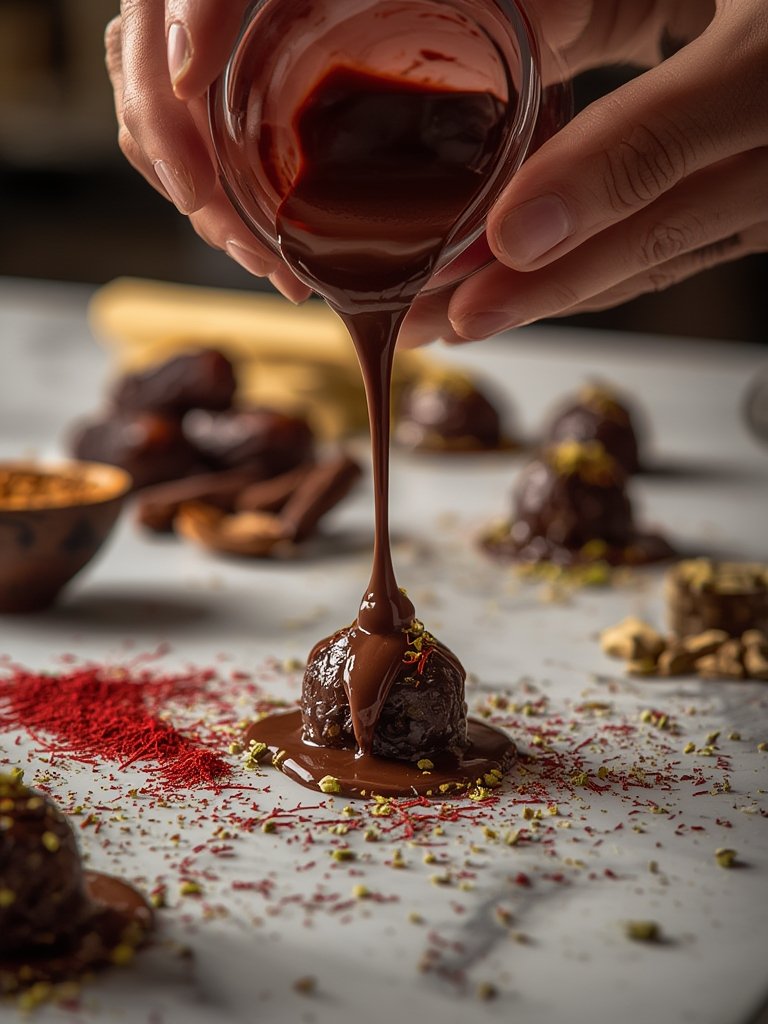
Chop chocolate finely. Microwave half (100g) in a dry bowl at 50% power, 15 seconds at a time, stirring each interval, until just melted. Add remaining chocolate gradually, stirring until melted and smooth. This “seeds” the chocolate, yielding shine and snap. Don’t overheat. - Coat the Molds: Brush or spoon tempered chocolate around the inside of each mold cavity, ensuring all corners are covered. Chill for 15 minutes or until set but not rock-hard.
- Add the Filling: Pack a layer of pistachio-tahini-kataifi mixture into each cavity, leaving a slim gap on top. Chill 10 minutes to help it set.
- Seal and Set: Pour or spread remaining tempered chocolate to fully enclose the filling. Tap gently to release air bubbles. Chill for 20 minutes or until fully set.
- Unmold and Serve: Carefully unmold. Garnish with extra crushed pistachio or a sprinkle of flaky salt if desired. Store chilled and eat at room temperature for best texture.
Cleanup & Storage Tips
- Any leftover filling makes a great topping for ice cream, yogurt, or oatmeal.
- Bars keep up to a week refrigerated, tightly wrapped.
If you’re interested in connected kitchen tools that can help with chocolate tempering or storage monitoring, check out the AI Cooking Assistant Induction Range or the GE Profile Smart Fridge Barcode Scanner. These can guide you through precise temperatures and keep ingredients perfectly fresh for chocolate making.
Advanced Analysis & Common Pitfalls
While making Dubai-style pistachio tahini chocolate at home is achievable, the following pitfalls often trip up home cooks:
- Sourcing authentic kataifi: Not always available at regular grocers. Substitutes (shredded phyllo) can work but lack the unique texture. Making kataifi from scratch is time-consuming.
- Chocolate tempering: Skipping this results in dull, soft shells that melt quickly. Even with the microwave method, overheating chocolate ruins the snap and makes unmolding harder. See this external guide for detailed tempering tips.
- Even mold coating: Undercoating leads to thin shells and leaking filling. Overcoating, however, can make the bars too thick to bite easily.
- Mismanaged layering and chilling: Without chilling between base and filling, the shells break during unmolding. Too little chilling after the final seal means misshapen bars.
- Texture balance: If the filling is too moist, the bars become soggy. If the kataifi isn’t sufficiently toasted, the crunch is lost.
Here’s a comparison of authentic versus typical homemade efforts:
| Aspect | Viral Dubai Chocolate Bar | Standard Homemade Chocolate |
|---|---|---|
| Crunch Factor | High (toasted kataifi + pistachios) | Low to none |
| Flavor Profile | Nutty, sesame, multi-layered | Mostly chocolate, limited filling |
| Process Complexity | Medium to High (layering, chilling, tempering) | Low |
| Ingredient Access | Kataifi, pistachio cream sometimes hard to find | Readily available |
| Finish/Presentation | Glossy, snaps when broken | Soft, dull finish |
Ingredient cost varies. Check your local Middle Eastern grocer or international food section for kataifi and pistachio cream—online options often come at a markup, but there’s no clear evidence that “Dubai-sourced” ingredients deliver a noticeable improvement for this specific recipe. Most recipes do not use dates in the filling, despite Dubai’s fame for dates (see source). For more on smart grocery shopping and reducing waste with connected tech, try smart fridge grocery list apps.
Some home cooks expect traditional Emirati roots but the Dubai chocolate bar is a recent, globally inspired trend—a modern spin using Middle Eastern techniques and flavors, but not a heritage recipe. For more on how modern kitchen technology is changing recipe creation, see the AI kitchen assistant guide.

Conclusion
Mastering the Dubai chocolate recipe takes practice, patience, and the right ingredients, but it’s doable at home—even without professional skills. The viral appeal lies in the contrast of crisp kataifi, nutty richness, and perfectly tempered chocolate. Tackle the tricky steps—like sourcing kataifi and getting the chocolate shell just right—and you’ll deliver results that rival top cafes. Remember, no single detail “makes” or “breaks” this treat, but attention to texture and layering pays off.
Try the Dubai chocolate recipe and experiment with your own fillings. Have a question or want to share your tips? Leave a comment or bookmark this guide for your next dessert adventure.
FAQ Section
What can I substitute for kataifi in the Dubai chocolate recipe?
You can shred frozen phyllo dough by hand or in a food processor, then toast in ghee or butter. While it’s not identical, it delivers a similar layered crunch. In a pinch, use toasted fine vermicelli or crushed crispy cereal, but expect some texture difference.
Is tempering chocolate really necessary?
Tempering gives the shell its shine and “snap.” Skipping it leads to dull, soft chocolate that melts easily. If looks and texture matter, use the microwave seeding method; otherwise, the flavor is still good, but the bars will be messier and less impressive.
Can I use regular pistachio butter instead of pistachio cream?
Yes. Most homemade versions use either. Adjust sweetness and thickness as needed. Look for pure pistachio paste, not one blended with other nuts or oils, to keep flavors authentic.
Are there easier versions for beginners?
Yes—skip the molding and simply layer the chocolate, filling, and more chocolate in a lined pan, then slice after chilling. You lose some of the professional look but keep the essential flavors and textures.
Is Dubai chocolate a traditional Emirati dessert?
No. Despite kataifi’s Middle Eastern heritage, the chocolate bar itself is a modern trend out of Dubai. It’s not part of traditional Emirati celebrations or cuisines, but draws on local ingredients and flavors for a global audience. Read more here.