

Food delivery service has transformed how millions get meals and groceries, with huge growth, convenience, and new technology—but it’s not without its real-world downsides. Here’s a realistic look at the facts, action steps, and pitfalls of modern delivery platforms.
Key Takeaways
- The food delivery market is massive and still rapidly expanding, with mobile-first habits driving more orders than ever.
- Convenience comes with tradeoffs: cost, quality, and transparency can often disappoint if you don’t go in prepared.
- Making the most of these services means knowing not just how to order but what to avoid and where to spot hidden value.
- What Is a Food Delivery Service and Why Use One?
- How to Use a Food Delivery Service: Step-by-Step
- Advanced Analysis & Common Pitfalls
- Conclusion
- Frequently Asked Questions
What Is a Food Delivery Service and Why Use One?
A food delivery service lets you order meals, groceries, or meal kits from local restaurants and stores straight to your door via an app or website. Platforms like DoorDash, Uber Eats, and others handle everything: you browse options, pay online, and track your delivery live.
Why do people use them? It’s simple—a food delivery service saves time, lets you skip meal prep, brings variety into your week, and is often the easiest fix for a busy schedule. The global food delivery industry was valued at $288.84 billion in 2024 (some estimates say even higher), and is projected to grow by over 9% each year. In the US, over half the population now orders online, with mobile apps driving most transactions.
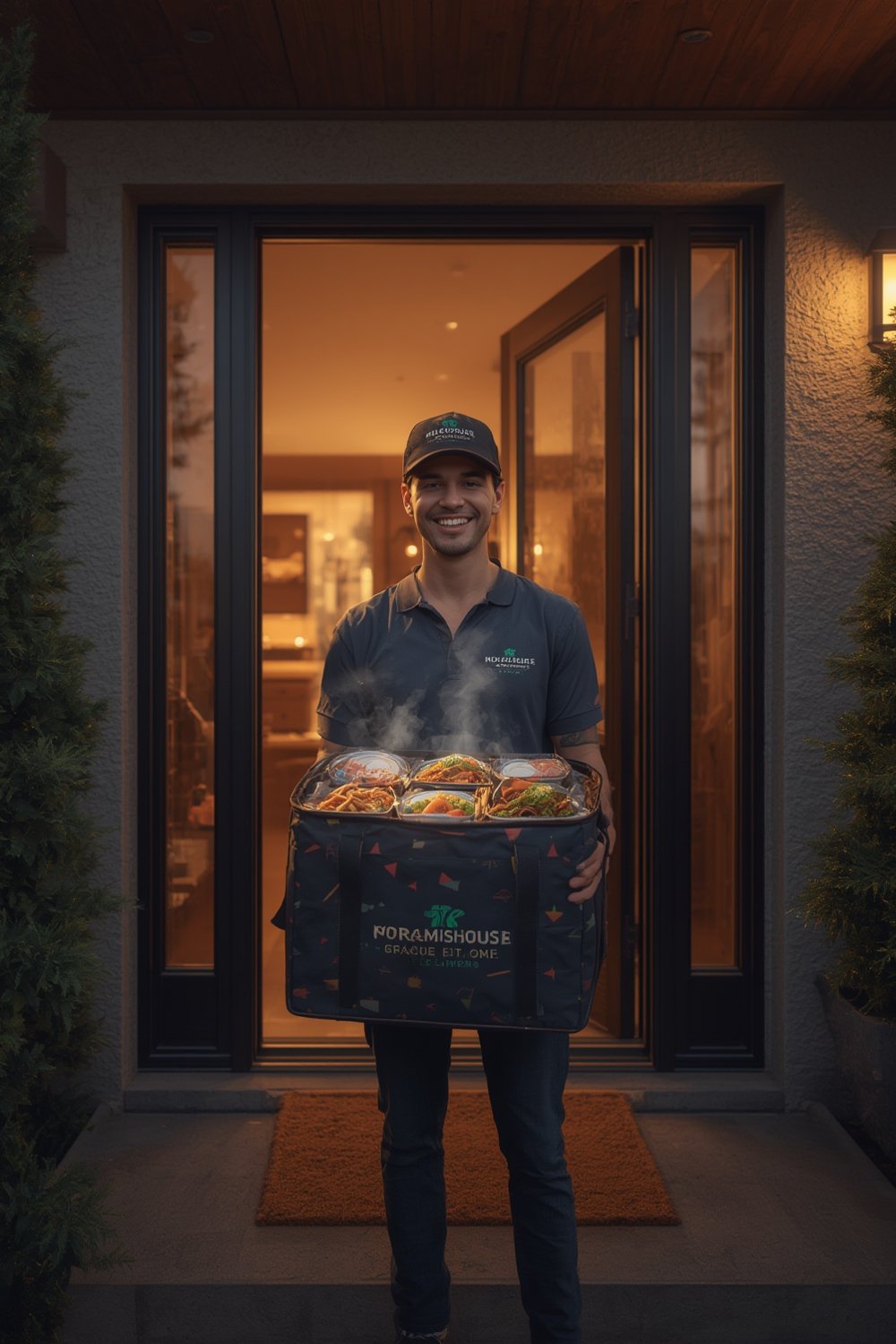
The convenience is real, but it’s not all upside—fees can add up, food quality isn’t always predictable, and not every service suits every user. Understanding the basics (and the fine print) is key before your first order.
How to Use a Food Delivery Service: Step-by-Step
Whether you’re new or want to get more out of your usual service, here’s a simple process for ordering smarter and avoiding novice mistakes:
- Choose Your Platform: Leading US apps include DoorDash (67% share) and Uber Eats. Pick based on local options, promotions, or loyalty perks.
- Set Up Your Account: Download the app, sign up, and enter your delivery address. Save your info securely to speed up future checkouts.
- Browse Menus: Use filters to find restaurants or cuisines. Many services let you sort by rating, price, or delivery speed.
- Review Item Details: Double-check portions, customizations, and ingredients, especially if you have dietary restrictions. Some apps offer tailored menus for allergies or vegan options.
- Add to Cart & Apply Offers: Look for discount codes, combo deals, or free delivery options (especially for new users).
- Confirm Order and Select Payment: Most users pay online—67% of 2024 transactions used digital payments.
- Track Your Order: Real-time tracking via app is now the norm. You’ll get ETA updates and driver contact info if needed.
- Receive and Verify: Check your order on arrival. If anything’s missing or wrong, report issues in-app ASAP for the fastest resolution.
- Rate & Tip: Ratings help future customers (and tip your driver fairly for fast, safe delivery).
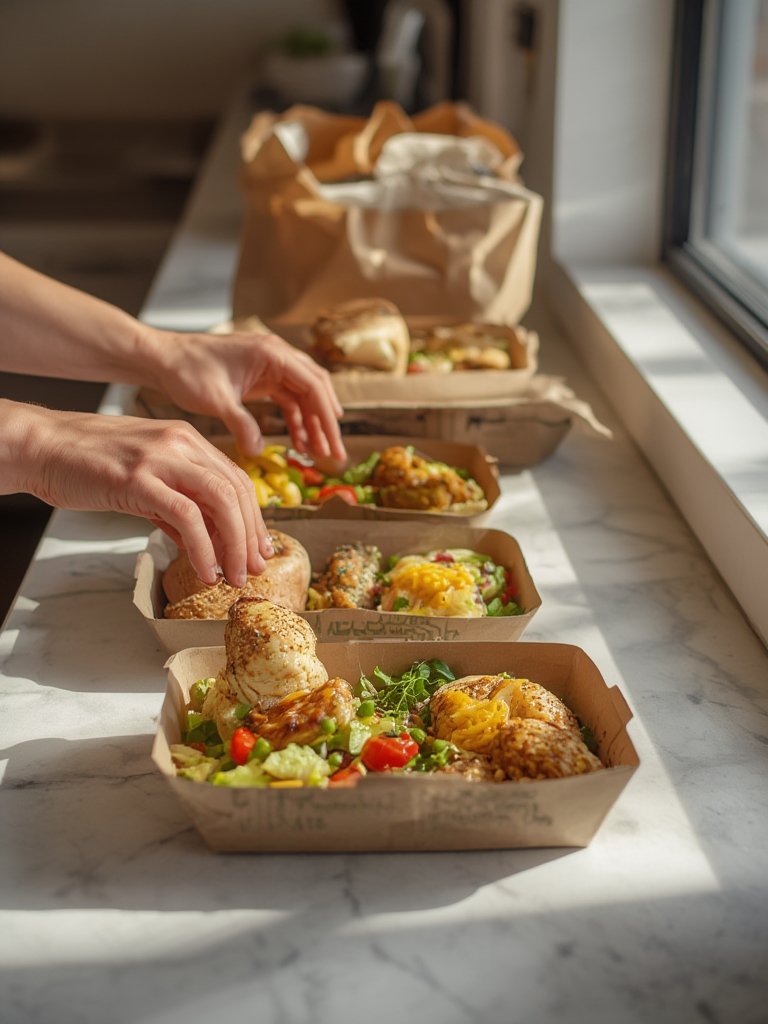
Want even more seamless cooking and delivery management? Integrate with smart kitchen appliances such as AI cooking assistant induction ranges or barcode scanning smart fridges to bridge the gap between ordering and meal prep. Some even integrate with Instacart and similar services for on-the-fly grocery replenishment.
Advanced Analysis & Common Pitfalls
Online food delivery seems effortless, but frequent users and industry analysts point out several consistent issues. Here’s what you need to know to avoid them—and where things stand in 2024:
- Sticker Shock & Hidden Fees: The convenience premium can be steep, especially after adding small order fees, service charges, and tips. Grocery delivery ARPU hit $504.40 in 2024—scrutinize final checkout summaries.
- Quality Control: Food sometimes arrives cold, soggy, or missing items. This risk is higher during peak hours or with multi-order drivers. Solutions: order during quieter times, leave clear delivery notes, and always inspect your order before accepting.
- Delivery Delays: Traffic, weather, or app glitches can mean later-than-promised arrivals. About 70% of orders now go via mobile app—so push notifications and live driver tracking are your best friends for real-time updates.
- Food Waste & Packaging: Sustainability is improving (biodegradable packaging is rising), but large portion sizes and excess packaging can mean more waste. To minimize, choose restaurants flagged for eco-friendly practices.
- Inconsistent Service Regionally: While Asia Pacific leads global market share at 41%, rural and suburban US still face fewer choices and longer waits. Market penetration is improving, but don’t expect the same range or speed outside major cities.
- Health & Nutrition Blind Spots: If you seek healthier options, know that not every “health-focused” meal delivery service offers transparent ingredient sourcing or calorie info. Research individual providers directly (or see our related guides for healthy kitchen gear like non-toxic air fryers and chef’s knives).
| Feature | Meal Delivery | Grocery Delivery | Meal Kits | Prepared Meals |
|---|---|---|---|---|
| What You Get | Hot meals from restaurants | Groceries, pantry staples | Ingredients + recipes | Fully cooked meals |
| Prep Required | None | Yes | 15–45 min | 1–5 min (heat only) |
| Food Waste | Moderate–high | Variable | Usually lower (pre-portioned) | Low |
| Convenience | Very high | High | Medium | Very high |
| Control Over Nutrition | Low | Highest | High | Low–medium |
| Typical Cost per Meal | Highest | Lowest | Medium | Medium–high |
It’s also worth noting that employment trends matter: the delivery sector created over 5 million new jobs by the end of 2023, but labor conditions vary, and both drivers and customers sometimes struggle with app glitches or policy changes.

Conclusion
Food delivery service is a modern essential—offering time savings, endless variety, and digital convenience. But it works best when you understand the costs, pay attention to app details, and set realistic expectations. If you want to optimize delivery around your kitchen habits, explore smart integrations like AI kitchen assistants or connected appliances. Ready to try a food delivery service or up your ordering game? Start today with a strategy tuned to your needs—and avoid the pitfalls that catch most first-timers.
Frequently Asked Questions
How much does food delivery service really cost?
Costs vary by platform, city, and order size. Expect menu prices plus delivery, service, and sometimes small order fees. Grocery delivery ARPU was $504.40 in 2024. Always check final totals before paying.
Is food from delivery apps safe and fresh?
Most large platforms enforce strict freshness and food safety standards, but delays or packaging mistakes can sometimes affect quality. Order during off-peak hours, and inspect items on arrival for best results.
What’s the best way to save money on a food delivery service?
Look for first-time user deals, use credit card offers, and consider loyalty programs. Ordering from restaurants with in-app promotions or bundled meals often yields better value.
Do food delivery apps have eco-friendly options?
Some services are adopting biodegradable packaging and offer filters for eco-friendly restaurants. You can usually request reduced packaging or opt into “low-waste” ordering for select vendors.
Can I use a smart fridge or kitchen device with delivery services?
Yes. Smart fridges with scanning and inventory apps can auto-generate grocery lists and sync with delivery services. Appliance integrations are growing—see our barcode scanner fridge review for examples.