

Protein cold foam is rapidly shaking up the world of coffee drinks, blending extra nutrition with café-style froth and making protein boosts as easy as topping your morning cold brew. Whether you want to make it at home for less or need to know the pitfalls and pro tricks, this guide cuts through the hype and confusion.
Key Takeaways
- Protein cold foam is a trending add-on for coffee, offering extra protein for health-conscious drinkers—but its taste and texture come with unique challenges.
- No major brands reveal exact protein or calorie counts for protein cold foam, so at-home recipes let you customize nutrition, flavor, and cost.
- Consistency, clump-free mixing, and the right equipment are critical for café-style results with any protein cold foam recipe.
- The Core Concept: What Is Protein Cold Foam & Why Bother?
- Step-by-Step Guide: How to Make Protein Cold Foam at Home
- Advanced Analysis & Common Pitfalls
- Conclusion
- FAQ
The Core Concept: What Is Protein Cold Foam & Why Bother?
Protein cold foam is a thick, creamy topping for cold coffee drinks that whips milk or milk alternatives together with protein powder. The goal is to mimic the light, airy mouthfeel of café cold foam—think Starbucks—but with an added nutrition boost from protein. With the global high protein coffee market now worth up to USD 4.48 billion in 2024 and on track to double by 2032, demand is surging among busy, health-focused consumers looking for functional beverages that fit any lifestyle, including dairy-free, keto, and plant-based diets.
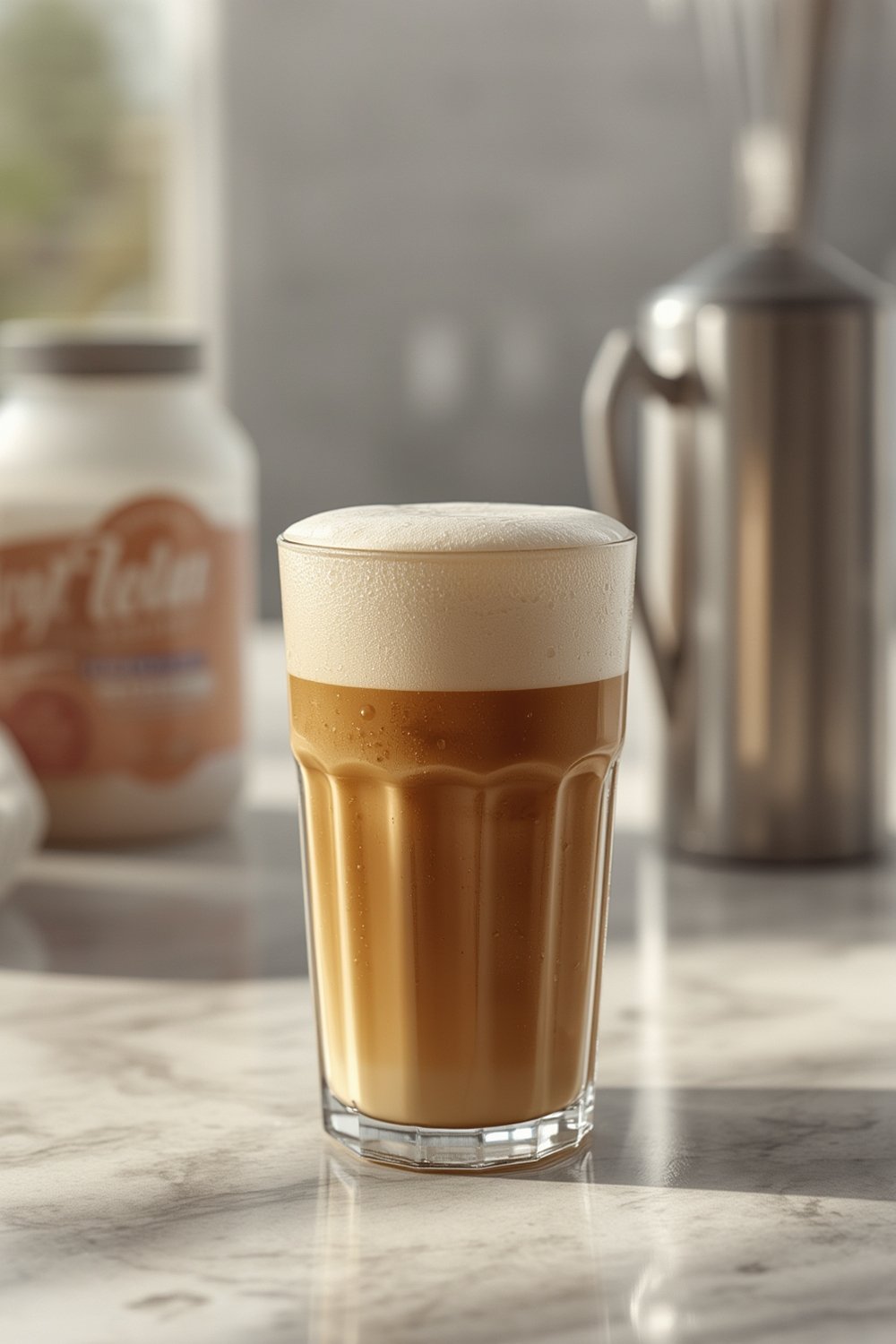
The reason to try protein cold foam? It gives your coffee an extra creamy mouthfeel and extends satiety, packing in additional grams of protein without a full meal or chunky shake. While cafés like Starbucks may soon release their own protein cold foams, most people experiment at home to save money, tailor flavors, or control dietary macros.
Step-by-Step Guide: How to Make Protein Cold Foam at Home
Here’s exactly how to whip up café-quality protein cold foam with fewer mistakes and no expensive gadgets:
- Pick the right protein: Whey protein isolates and micellar casein blend best, but plant protein options work for dairy-free needs. Use unflavored or vanilla to avoid bitter notes.
- Choose a milk or base: Skim milk foams most easily. For vegan or keto, pick barista-blend oat, almond, or coconut milk with higher protein or fat content.
- Chill everything: Cold ingredients foam thicker and hold air longer. Refrigerate your bowl, foam maker, and milk in advance.
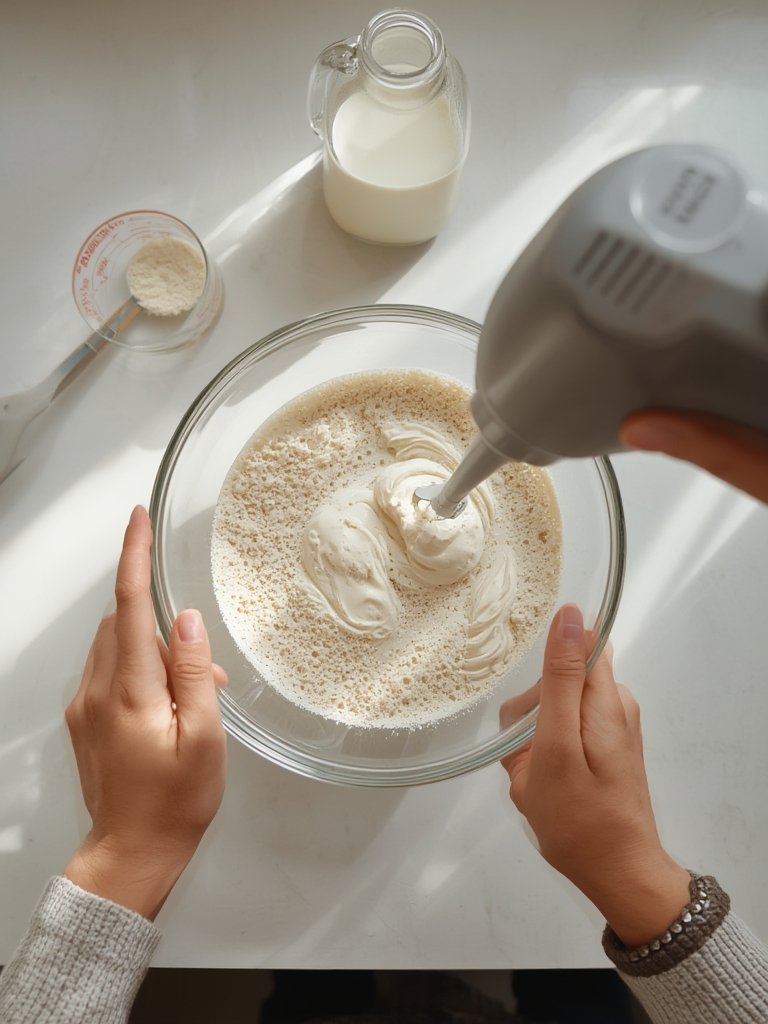
- Combine Protein + Milk: Use 1 scoop protein powder per 1/2 cup milk or milk alternative. Add sweetener or flavor syrups if desired.
- Whip or froth: Use a handheld milk frother, French press, or electric whisk. Froth for 30-60 seconds until the foam is thick and tripled in volume, but avoid overwhipping (it deflates).
- Top coffee: Spoon the cold foam gently onto your drink. Serve immediately for best texture.
- Short on time? Some AI coffee machines automate cold foam routines and textural settings (though with a hefty price tag).
- Want full nutrition control? With a kitchen scale, you can easily track macros, customize sweetness, or switch to keto-friendly protein powders. To manage ingredients, see how smart fridges with barcode scanners simplify shopping and tracking for home baristas.
Advanced Analysis & Common Pitfalls
Even expert home baristas struggle to get silky, stable protein cold foam every time. Here’s what typically goes wrong, plus cost comparisons if you’re weighing homemade versus café options.
| Common Pitfall | Why It Happens | How to Fix It |
|---|---|---|
| Clumpy, gritty foam | Protein powder not fully dissolved in cold milk | Sift powder, pre-mix with small milk amount, use a blender or tight-mesh frother |
| No stable peaks | Milk too warm, not enough protein content, or frothing too short/long | Chill all ingredients and vessel, use higher-protein milk, whip for 30–60 seconds only |
| Bitter or chalky taste | Poor-quality protein powder, mismatched flavor or sweetener | Switch to neutral-flavor protein, add splash of vanilla, or blend in natural sweetener |
| Foam separates quickly | Low-fat or watery milk alternatives; not enough stabilizer | Add a bit of xanthan gum or try thicker barista-style milk alternatives |
Homemade vs Café Protein Cold Foam: Cost & Nutrition
- Homemade version: About $1–$2 per serving, protein content varies (10–25g), calories depend on milk and protein choice. Full control over flavor, sugar, and allergens.
- Starbucks or café (estimated): Higher cost ($5+ per drink), unclear protein content or ingredients based on public data. Limited customizations and more sugar.
The flexibility of homemade methods lets you dial in macros, avoid hidden sugars, and overcome dietary restrictions—important as the protein coffee trend shifts further to plant-based and specialty diets.
If you’re tracking nutrition, the emerging smart fridge apps can help log protein and calorie intake as you experiment with new recipes.
Recipe Variations for Your Diet
- Vegan protein cold foam: Pea or soy isolate blended with oat or almond milk, sweetened naturally.
- Keto protein cold foam: Whey isolate plus heavy cream or unsweetened almond milk, with allulose or monk fruit.
- Dairy-free protein cold foam: Use coconut or almond milk with neutral-flavor plant protein (try cocoa or cinnamon for richer flavor).
None of these are yet available in ready-to-drink café drinks, giving DIY options a nutrition and flavor edge for now. For inspiration on high protein dairy alternatives, see these cottage cheese recipes reshaping breakfast and snacking trends.

Conclusion
Protein cold foam is more than a social media trend: it’s an adaptable, affordable way to get extra nutrition in your coffee routine—provided you know how to avoid the common pitfalls. By understanding your ingredients, using cold equipment, and prepping protein powder thoughtfully, you’ll master both the science and art of making satisfying protein cold foam at home. Ready to whip up your own? Grab your favorite protein and give it a try today.
FAQ
Can I use any protein powder for protein cold foam?
No, for best results use a high-quality whey isolate or casein for dairy, or an ultra-fine plant protein blend. Grainy or chalky powders make clumps and ruin texture.
Do I need a fancy machine, or will a hand frother work?
A basic handheld milk frother or a French press can create great cold foam—no expensive gadgets needed. For added convenience, consider a kitchen setup with an AI cooking assistant induction range that supports recipe guidance.
What milk is best for protein cold foam?
Skim or non-fat milk produces the thickest foam, but barista-blend oat or almond milks are best for non-dairy versions. Avoid watery nut milks for texture.
How do I prevent protein cold foam from clumping?
Sift protein powder and pre-mix with a small amount of milk before frothing. Blending and using cold equipment minimizes clumps.
Is protein cold foam suitable for keto or low-sugar diets?
Yes, when made at home, you can use unsweetened nut milk and low-carb protein powders. Always check labels for hidden sugars.