

AI countertop oven technology is reshaping home cooking in 2024, promising hassle-free meals, precision, and smart guidance for busy households. But do these advanced smart ovens actually deliver meaningful benefits, and what should buyers realistically expect?
Key Takeaways
- AI countertop ovens use adaptive algorithms and sensors to personalize settings and automate cooking, but many technical details are not fully transparent from brands.
- Actual energy consumption, long-term reliability, and user data privacy are important concerns that are rarely addressed in top market research or reviews.
- Buyers should closely evaluate not just smart features, but ongoing software updates, app ecosystem quality, and potential hidden costs.
- What Is an AI Countertop Oven and Why Are They Trending?
- How to Use and Set Up an AI Countertop Oven: Step-by-Step
- Advanced Analysis: Pitfalls, Comparisons, and Real-World Downsides
- Conclusion: Should You Buy an AI Countertop Oven in 2024?
- FAQ
What Is an AI Countertop Oven and Why Are They Trending?
AI countertop ovens are compact, app-connected ovens equipped with artificial intelligence that adapts cooking programs, recognizes foods, and learns your preferences over time. Unlike standard smart ovens (which may simply include Wi-Fi or remote controls), these devices leverage machine learning, cloud connectivity, and intelligent sensors for deeper automation and personalization.
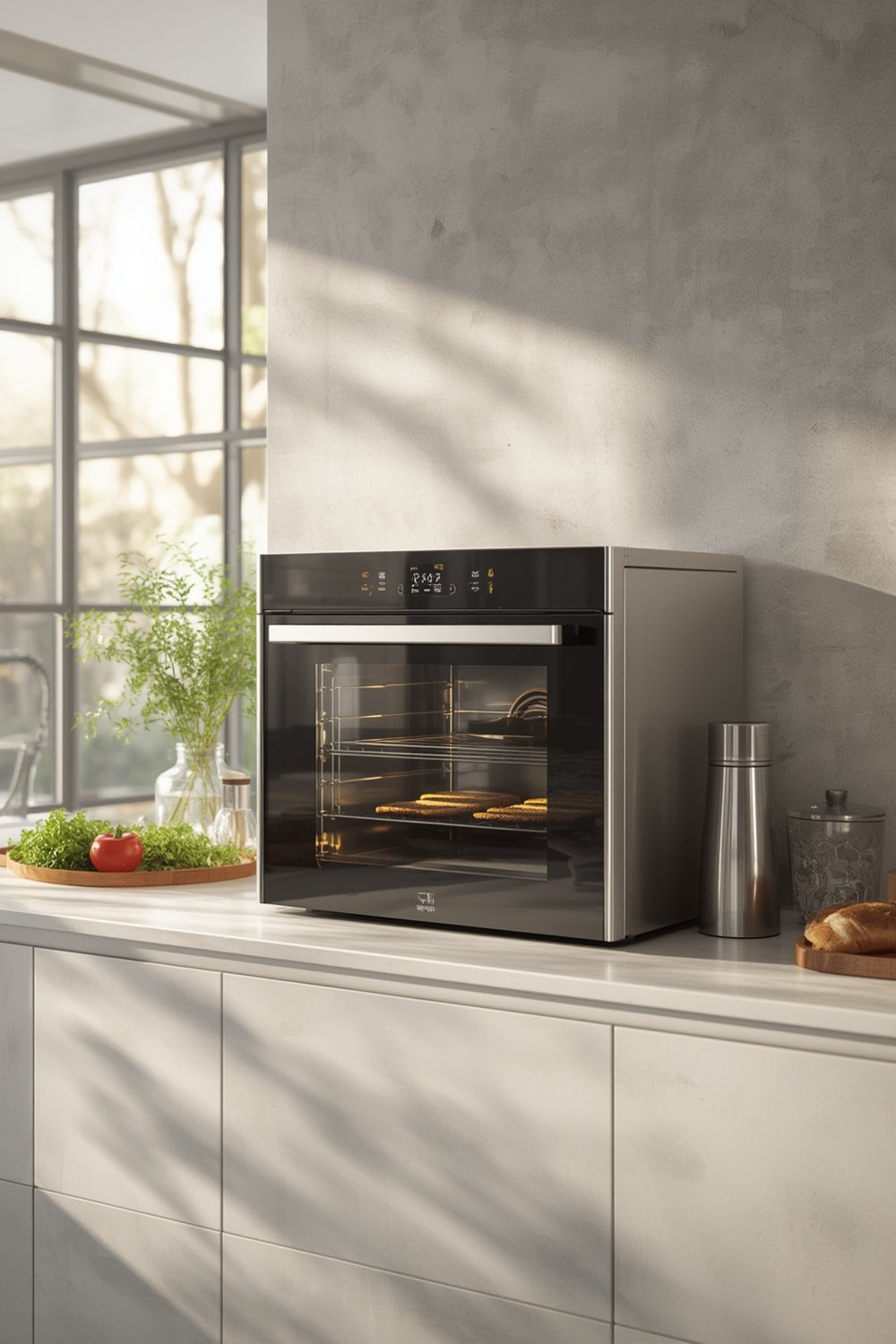
The market is experiencing rapid growth. The global countertop oven market was valued at USD 9.82 billion in 2024 and is forecasted to surpass USD 15 billion by 2032 (Data Bridge Market Research). The smart countertop oven segment alone reached USD 1.26 billion in 2024 and is projected to triple by 2033 (Growth Market Reports).
Major players include Panasonic (HomeCHEF 4-in-1 with Fresco integration), Samsung (Series 7 Bespoke AI Oven), June, Tovala, Haier (PreciTaste AI-powered models), Whirlpool, and GE Appliances. These companies compete by offering cloud-recipe integration, app controls, and food recognition as hallmark features.
What fuels buzz? Beyond convenience, AI ovens promise hands-off automation—think food recognition via camera, instant recipe adjustments, and real-time tweaks for doneness or crispiness. That level of control aims to remove the guesswork from weekday meals for cooks at any skill level. (Curious about other AI kitchen appliances? See our guide to AI cooking assistant induction ranges.)
How to Use and Set Up an AI Countertop Oven: Step-by-Step
- Unbox and Inspect
Remove packaging, check for damage, and verify all accessories (crisper trays, racks, app setup cards) are included. - Place and Power
Position the oven securely, ensuring at least 2 inches of clearance on each side for ventilation. Plug directly into a grounded outlet. - Download and Pair App
Install the brand’s app (e.g. June, Tovala, SmartThings for Samsung, Fresco for Panasonic). Begin setup—often you’ll need to scan a QR code or enter a serial number from the oven. - Connect to Wi-Fi
Follow prompts in the app to link the oven to your home Wi-Fi. Keep your phone close and note that 2.4GHz networks are often required. - Perform Initial Firmware Update
Allow the oven to download and install its software update, which can take 10–20 minutes. Don’t unplug during this phase. - Set Preferences
Input dietary preferences, allergens, or special cooking needs so AI can suggest recipes and personalize cooking modes. - Test with a Basic Recipe
Use a built-in or app-guided recipe for your first meal. Test out food recognition and observe how the oven adapts time and temperature. - Explore Manual vs. AI Modes
Most models offer both smart automation and a manual controls. Test manual controls to understand baseline functions. - Enable Alerts/Integrations
Set up phone notifications for cooking progress, and connect to voice assistants or smart home routines as needed (e.g. Alexa, Google Assistant). - Maintenance & Software Checks
Clean surfaces regularly, run any self-clean routines, and check monthly for firmware updates—AI ovens often get smarter with ongoing updates.
How AI Ovens Are Different From Regular Smart Ovens
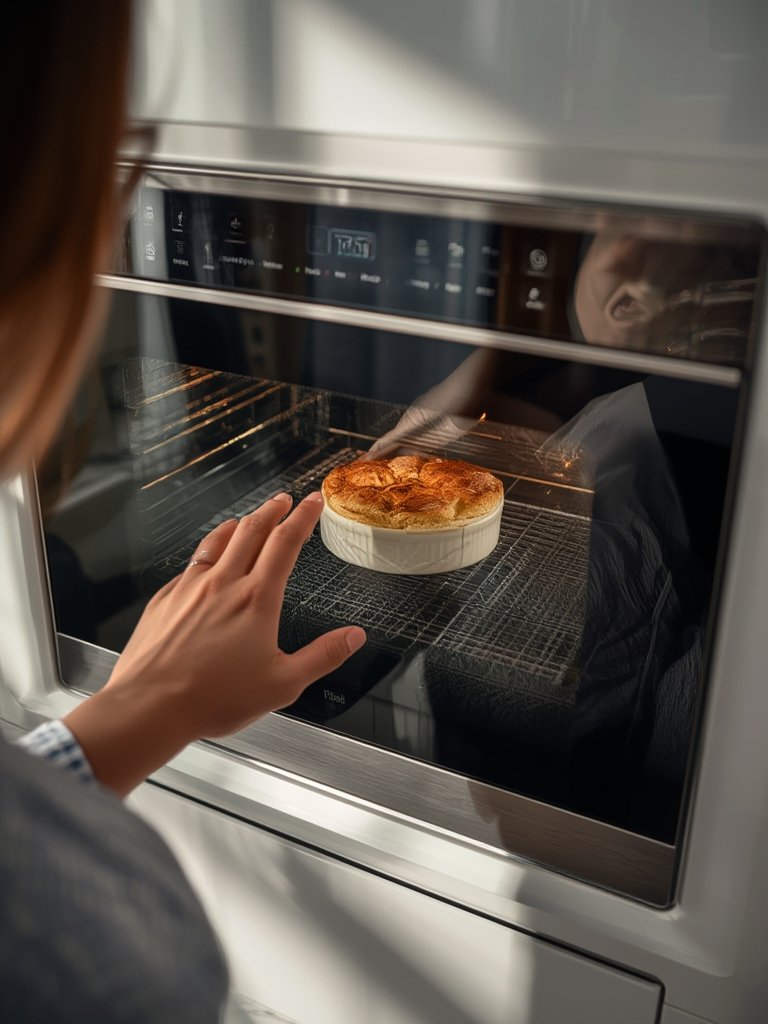
While classic smart ovens handle remote starts and recipe presets, AI-powered models can:
- Recognize food types and adjust cooking programs instantly
- Learn household preferences (crispiness, doneness, allergies)
- Give proactive alerts (“Flip now for best results”)
- Track nutritional data and suggest healthy swaps
- Troubleshoot incomplete cooking via app guidance
For example, the Panasonic HomeCHEF 4-in-1 leverages Fresco’s AI recipes and remote notifications, while Samsung’s Bespoke Series 7 uses AI Pro Cooking to personalize settings to your tastes. General smart ovens lack this level of real-time customization.
Bonus: If you use connected fridges or AI kitchen assistants, you can coordinate meals cross-device. Platforms like AI kitchen assistant apps offer scheduling and ingredient management alongside oven integration.
Advanced Analysis: Pitfalls, Comparisons, and Real-World Downsides
AI countertop ovens may look cutting-edge, but they’re not without drawbacks. Real-world use can reveal gaps in usability, transparency, or performance.
Common Pitfalls and Problems
- Lack of Transparency in Specs: Brands rarely publish sensing accuracy, capacity, or AI model details—making apples-to-apples comparisons tough.
- App & Firmware Dependence: Performance and features often hinge on frequent updates; poorly supported models may lose smart functionality or introduce bugs.
- Energy Consumption: Unknowns: Most brands tout energy savings but don’t publish actual kWh or real-time wattage figures. (See this pain point echoed in nearly all industry reports.)
- Long-Term Reliability: Unproven: There’s minimal third-party testing or public data on how long AI ovens last or how accurately they perform after a year of use.
- User Data Privacy: Minimal Info: AI ovens collect usage and taste data, but privacy policies are vague and most reviews don’t analyze what is shared with brands or cloud services.
- Cost and Ongoing Expenses: High up-front price remains a barrier, especially in emerging markets (Grand View Research). There’s rarely clear info about paid app subscriptions, required accessories, or cost of replacement trays/racks.
- No Universal Certifications: There is no evidence (2024) of published third-party safety certifications or standardized performance testing for AI countertop ovens.
| Brand/Model | AI Features | Sensing Accuracy | Capacity | Connectivity | App Controls |
|---|---|---|---|---|---|
| Panasonic HomeCHEF 4-in-1 | AI-powered cooking assistant | Not specified | Not specified | Wi-Fi (Fresco platform) | Remote control, notifications |
| Samsung Series 7 Bespoke | AI Pro Cooking (tailors to preferences) | Not specified | Not specified | Not specified | Not specified |
| Haier AI ovens | PreciTaste AI, auto-startup | Advanced sensors for food monitoring | Not specified | IoT-enabled | Mobile apps, real-time monitoring |
| June/Tovala | Food recognition, adaptive algorithms | Not specified | Not specified | Wi-Fi | Remote monitoring |
| General smart ovens | Learns preferences, auto-adjusts time/temp/weight | Real-time adjustments (weight/texture/temp) | 21–30 L growing segment | Wi-Fi, voice (Alexa/Google) | Preset programs, recipe suggestions |
Looking for models that reduce countertop clutter? See our compact microwave with air fry guide for multi-function alternatives.
Outside the oven, related smart kitchen tools like the GE Profile Smart Fridge Barcode Scanner and AI barista coffee machines are solving prep and beverage automation, too.
Key gaps in 2024 coverage include:
- No model-published kWh benchmarks or real-world energy data
- No long-term reliability studies for mechanical or firmware components
- No public reports on data privacy or end-user control over their cooking analytics
- No disclosed hidden costs (app fees, paid accessory upgrades, advanced recipe packs)
If you are specifically concerned about non-toxic cooking and material safety, check our dedicated non-toxic air fryer guide.

Conclusion: Should You Buy an AI Countertop Oven in 2024?
AI countertop ovens deliver next-level automation, food recognition, and tailored recipes, but they still hold key unknowns around real-world energy use, durability, and the safety of your cooking data. Prices remain high and ongoing support varies by brand. If you value hands-off convenience and can accept early-adopter tradeoffs, these ovens are worth exploring. But for those seeking proven reliability or transparent specs, you may want to wait as the market matures.
Want more smart kitchen insights? Start with our guide to AI cooking assistant induction ranges or explore food management apps in our smart fridge grocery list app roundup. As always, research before you buy—and check for updated reviews as new AI countertop oven models are released. Ready to try AI-powered cooking? Compare brands, check warranty details, and test app features before making your final pick.
FAQ
What is the main advantage of an AI countertop oven over a standard smart oven?
AI countertop ovens go beyond preset remote control by actually recognizing food types, personalizing recipes, and automatically adjusting times and temperatures based on your preferences or real-time sensor feedback.
Do AI countertop ovens require a subscription fee?
Most do not require a subscription for basic functions, but select brands may have premium app tiers or charge for advanced recipe packs. Hidden costs are not always disclosed up front, so always review app and accessory info before buying.
How secure is my data when using an AI countertop oven?
Currently, there is little public information about how AI oven brands handle user data collected via apps or cloud services. If privacy is a concern, read the privacy policy carefully and check for updates about data management.
Are there any independently tested safety certifications for AI countertop ovens?
No brand has published independent safety certifications or third-party performance benchmarks as of 2024. Standard UL or CE marks for electronics may apply, but AI-specific testing is not documented.
How does actual energy consumption compare to traditional ovens?
There is currently no public data or labeling about total energy use for AI countertop ovens compared to traditional or conventional smart ovens. Brands cite efficiency gains, but real numbers remain undisclosed.
—