

countertop nugget ice maker demand has exploded in 2024 as more consumers crave restaurant-style chewable ice at home. Nugget ice makers promise a premium experience but aren’t all created equal. Here’s what you need to know if you’re considering adding this trending kitchen gadget to your countertop.
Key Takeaways
- The market for countertop nugget ice makers is growing nearly 10% annually, with most buyers at home seeking premium, chewable ice.
- Chewable nugget ice machines cost 2–3 times more than traditional models and still have feature gaps like noise reduction and true portability.
- Most “quiet” and “best of” ratings lack independent measurements, so pick with realistic expectations—and know the key pitfalls and hacks before you buy.
- What Makes a Countertop Nugget Ice Maker Different?
- How to Choose the Best Countertop Nugget Ice Maker: A Step-by-Step Guide
- Advanced Analysis & Common Pitfalls: What to Watch Out For
- Conclusion
- Frequently Asked Questions
What Makes a Countertop Nugget Ice Maker Different?
Countertop nugget ice makers turn ordinary water into soft, chewable ice that holds flavor and cools drinks without watering them down too fast. Unlike traditional bullet or cube ice makers, these machines use a unique process to create those compact, slush-like “pellets”—the same kind you find in Sonic drive-ins or trendy cocktail bars.
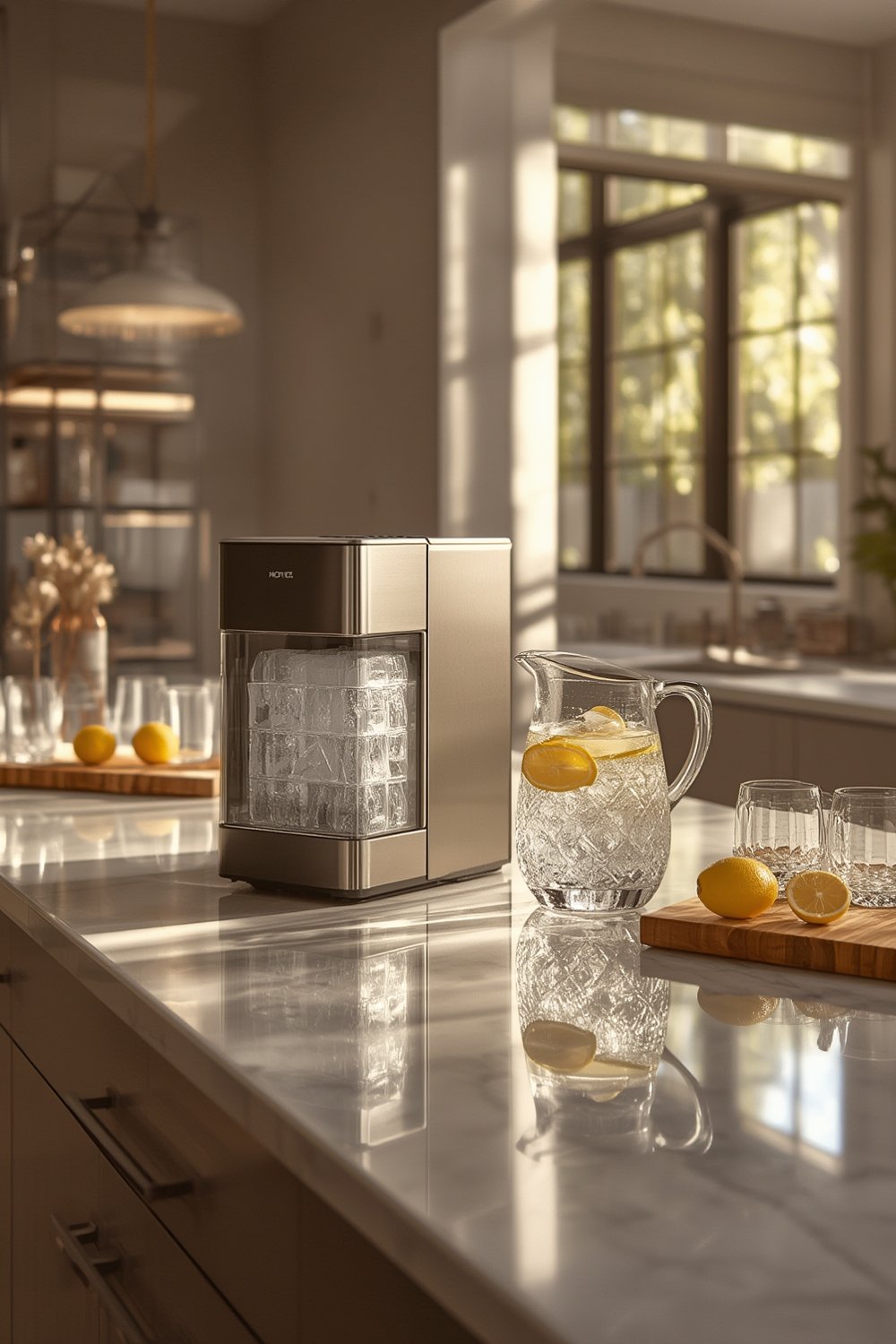
Why does this matter? Nugget ice absorbs flavors better than cube or crushed ice, holds carbonation longer for sodas, and is gentle enough to chew—making it a top choice for people who want more from their ice experience. No other countertop ice format has gained ground as quickly in recent years, with annual growth close to 10% according to industry analysts.
Households now make up more than 60% of the buyer base. People pay a premium to get this “Sonic ice” at home because the experience simply isn’t replicable with bagged or refrigerator ice. Whether you’re entertaining, meal prepping, or just love textured ice, the countertop nugget ice maker has become a preferred small appliance. And as kitchens get smarter—with devices like AI cooking assistant induction ranges and barcode-scanning smart fridges—people expect more convenience and better performance from even their ice machines.
But these benefits come with trade-offs, especially around noise, reliability, and cost. Understanding the core differences, required setup, and realistic limitations is key before you buy.
How to Choose the Best Countertop Nugget Ice Maker: A Step-by-Step Guide
Buying a nugget ice maker “blind” is risky. Use this checklist to make an informed decision and get the most from your investment.
- Assess Your Space and Power Needs
- These appliances require a dedicated countertop space and a standard 120V outlet. Short on space? Consider a compact multi-function alternative or rearrange other small appliances.
- If you’re often on the move (RV trips, outdoor parties), most models are not truly portable—look for new solar-ready or battery options emerging in late 2026.
- Prioritize Output and Bin Capacity
- Look for specs showing maximum pounds of ice per day and storage in pounds or liters. Small bins fill fast, triggering auto-pauses; bigger bins mean more consecutive servings for gatherings.
- Compare Nugget vs Bullet Models
- Traditional bullet machines (under $150) are faster and quieter but lack chewable ice texture. Nugget machines cost 2–3 times more but deliver the signature “soft chew” and flavor absorption. Industry data shows bullet styles still outsell nuggets yet demand for the latter is surging.
- Evaluate Noise and Energy Use
- While “quieter compressor” models are a development trend, there are no certified decibel ratings as of 2024 according to analysts. Expect similar noise to a busy fridge. Place away from bedrooms or work zones if sensitive.
- Energy costs are not widely published—budget for potential spikes, especially if running daily. Commercial owners can recover costs by ditching bagged ice, but home savings are not guaranteed.
- Check for Smart Features and Maintenance
- Only premium models (like the GE Opal 2.0) offer WiFi scheduling, app controls, or scale-inhibiting filters. Most are still manual. If you want alerts or remote control, pay up for smart versions.
- Descale often (every 4–8 weeks depending on water hardness) to keep output high. Always check filter and warranty terms before purchasing. Uncertainty on maintenance cost is a top pain point.
- Consider kitchen upgrade compatibility. Nugget ice is popular for making premium drinks at home and pairs well with a smart coffee or barista machine.
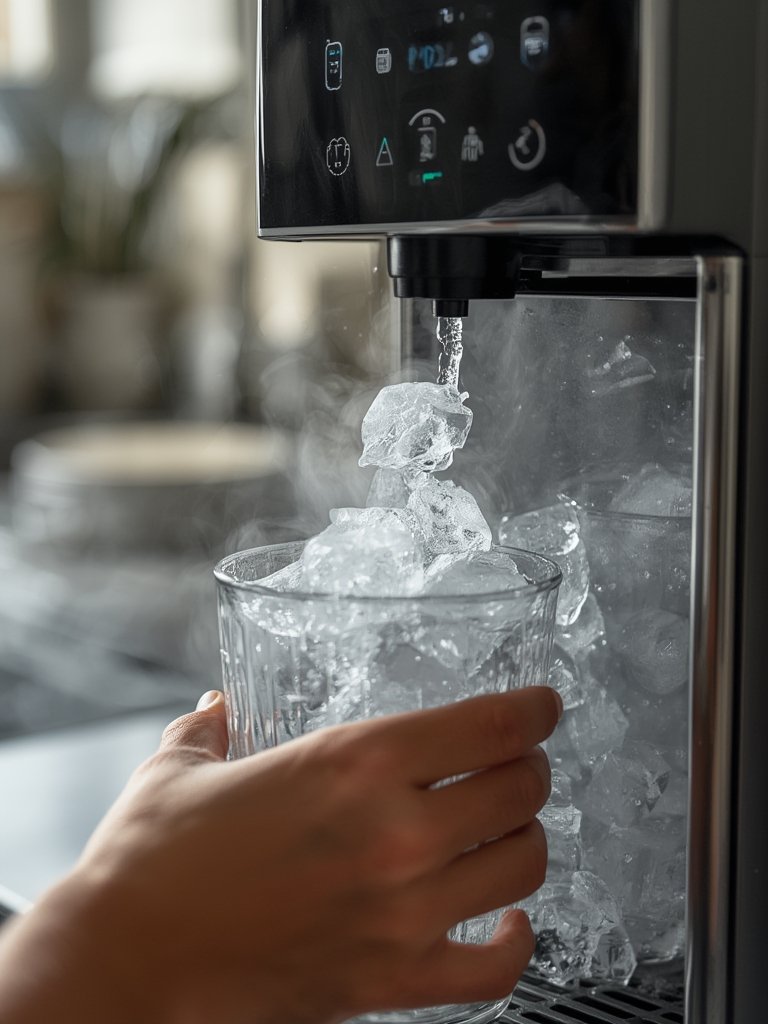
Insider tip: Compare not just daily output, but how long the first batch of ice takes, and whether the machine automatically pauses production when the bin is full. Frequent stops can disrupt parties or meal prep. If silence is your priority, you may need to wait for next-gen “quiet” models—the market lacks certified quiet options for now.
Ultimately, weigh your actual usage habits, not just sales rankings. Also, keep tabs on the latest tech improvements—compact form factors, better insulation, and integration with AI-powered fridges (like those with grocery tracking features) will become mainstream by 2027.
Advanced Analysis & Common Pitfalls: What to Watch Out For
Even the top-rated countertop nugget ice makers have downsides and information gaps that could affect your satisfaction, especially if you’re expecting a flawless experience out of the box.
| Feature | Nugget Ice Maker | Bullet/Cube Ice Maker |
|---|---|---|
| Ice Texture | Soft, chewable “pellets” | Hard, solid cubes or round bullets |
| First Batch Time | Varies (slower, often not specified) | As fast as 8 minutes |
| Noise Level | No certified quiet models (yet); can be noticeable | Generally quieter; still no certified noise data |
| Purchase Cost | 2–3 times higher than bullet models | Usually under $150 |
| Portability/Outdoor Use | Limited; solar-ready grid-independent models emerging | Generally compact, easy to move |
| Smart Features | Premium models only (WiFi, app alerts) | Rarely available |
- Lack of Verified User Complaint Data: There’s almost no reliable data on noise issues, durability, or day-to-day breakdowns—reviews are anecdotal at best. The lack of third-party failure statistics means you may be an early adopter dealing with first-gen quirks.
- Unclear Cost-of-Ownership: Most sellers list only purchase price. Warranties, filter costs, maintenance frequency, and energy use are rarely detailed, despite being significant. Industry data shows that even commercial owners recoup investment only after months of high usage.
- Feature Gaps Remain: Desirable upgrades like solar/battery backup, true “quiet” certification, and universal app integration are all in progress—not standard. Noise, especially, remains a leading complaint based on forums and “wish list” surveys. If you need truly silent operation, be patient or consider alternatives like compact all-in-one cooking appliances.
- Expectation vs Reality: Promotional photos show big bins of perfect ice, but in real life you may need to refill water frequently, clean more often than expected, and deal with clunky bin access.
Emerging trends suggest that buyers are hoping for compact, beautifully designed units that deliver rapid and quiet ice production, but these features are not yet backed by proven specs or widespread availability. The technology is getting better—especially for home kitchens integrating smart gadgets—but don’t expect seamless perfection in 2024 or early 2025.

Conclusion
The demand for soft, chewable ice has made the countertop nugget ice maker a hot-ticket kitchen appliance. The segment is rapidly growing and outpacing other ice formats, but it’s not perfect—costs are higher, noise remains an open issue, and day-to-day reliability can’t always be guaranteed yet. If you’re willing to pay for premium texture and convenience (and can live with some noise and extra maintenance), a nugget ice maker is a genuine kitchen upgrade.
Ready to upgrade your ice game? Review the real data, weigh your needs, and make sure to compare features closely. For home baristas and foodies seeking seamless smart kitchen experiences, pairing a nugget ice maker with a voice-controlled coffee system or a smart fridge inventory app can raise your hosting game to the next level.
Action Step: Research the latest certified models, set realistic expectations on noise and capacity, and decide if you’re ready for America’s new favorite ice.
Frequently Asked Questions
What exactly is “nugget” or “Sonic” ice?
Nugget ice is a soft, chewable ice pellet created by compacting flaked ice and is also called “Sonic ice” because of its popularity at Sonic Drive-In restaurants. It absorbs drinks, holds carbonation, and is gentle on teeth compared to hard cubes.
Are countertop nugget ice makers truly “quiet” for home use?
Currently, no countertop nugget ice maker brands publish certified decibel ratings. Most produce noise similar to a refrigerator cycle or ice cube dispenser. There is no independent testing data to confirm “quiet” claims.
How do nugget ice makers compare to bullet or cube machines in cost and maintenance?
Nugget ice makers are 2–3 times more expensive up front than basic bullet models. Maintenance can include routine descaling and water filter changes, but exact costs and intervals are usually not given in product listings.
Do any models run on battery power or solar panels?
Most countertop nugget ice makers require standard wall outlets and aren’t fully portable. Manufacturers are developing upcoming solar-ready or battery-powered options, but these are not yet widely available.
Can I automate nugget ice production with smart home controls?
Some premium models like GE Opal 2.0 offer app-based controls and scheduling, but these features are not universal. Double-check product details if you want WiFi or voice assistant integration.